
Top 10 Traditional Superfoods in Southeast Asia
Southeast Asia is a region renowned for its vibrant culture, breathtaking landscapes, and, most importantly, its rich culinary heritage. The cuisine of this region is not only a feast for the senses but also a treasure trove of nutrient-dense superfoods. These traditional ingredients have been used for centuries, not just for their flavors but also for their incredible health benefits. Here, we explore the top 10 traditional superfoods from Southeast Asia that have earned global recognition for their nutritional value.
1. Turmeric
Turmeric, with its vibrant golden hue, is a cornerstone of Southeast Asian cuisine and traditional medicine. The active compound in turmeric, curcumin, is a potent anti-inflammatory and antioxidant. It has been used to treat ailments ranging from digestive issues to skin conditions. In dishes like Thai curries and Indonesian rendang, turmeric adds both color and health benefits.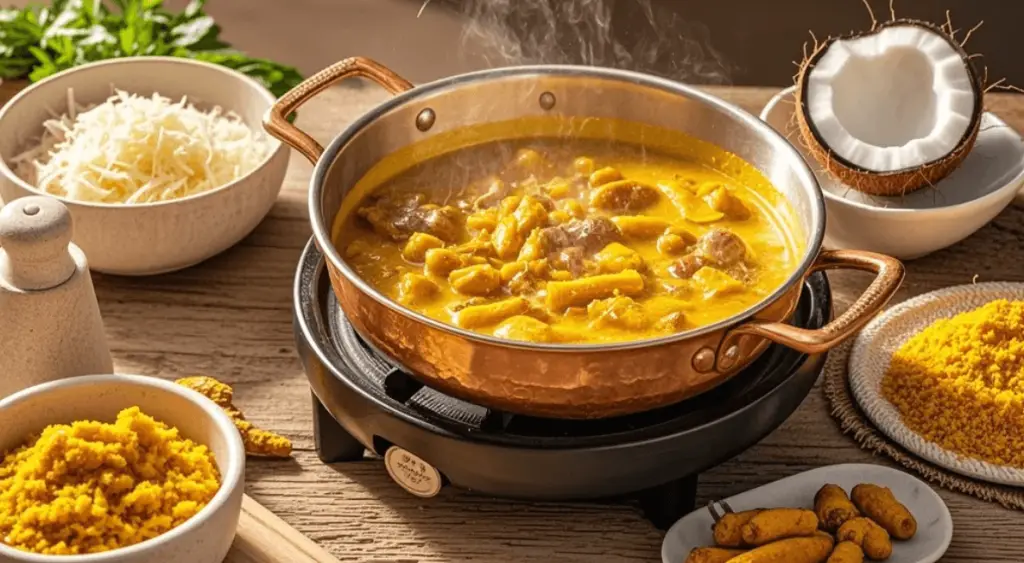
2. Coconut
The coconut is often referred to as the "tree of life" in Southeast Asia, and for good reason. Every part of the coconut is utilized—coconut oil for cooking, coconut water for hydration, and coconut meat for its healthy fats and fiber. Coconut oil is rich in medium-chain triglycerides (MCTs), which are known to boost metabolism and support heart health.
3. Moringa
Moringa, also known as the "miracle tree," is a nutrient powerhouse. Its leaves are packed with vitamins A, C, and E, as well as calcium, iron, and potassium. Moringa is often used in soups, teas, and salads, and is celebrated for its ability to boost energy and immunity.
4. Tamarind
Tamarind is a tangy fruit commonly used in Southeast Asian cooking, particularly in soups, sauces, and snacks. It is rich in antioxidants and has been shown to aid digestion and reduce inflammation. Tamarind is also a good source of magnesium, which supports muscle and nerve function.
5. Jackfruit
Jackfruit is a versatile fruit that has gained popularity as a meat substitute due to its texture. It is high in fiber, vitamin C, and potassium, making it a nutritious addition to both savory and sweet dishes. In Southeast Asia, jackfruit is used in curries, desserts, and even as a snack.
6. Bitter Melon
Bitter melon is a unique vegetable known for its ability to regulate blood sugar levels. It is often used in stir-fries and soups and is rich in vitamin C and antioxidants. Despite its bitter taste, it is a beloved ingredient in many Southeast Asian households.
7. Lemongrass
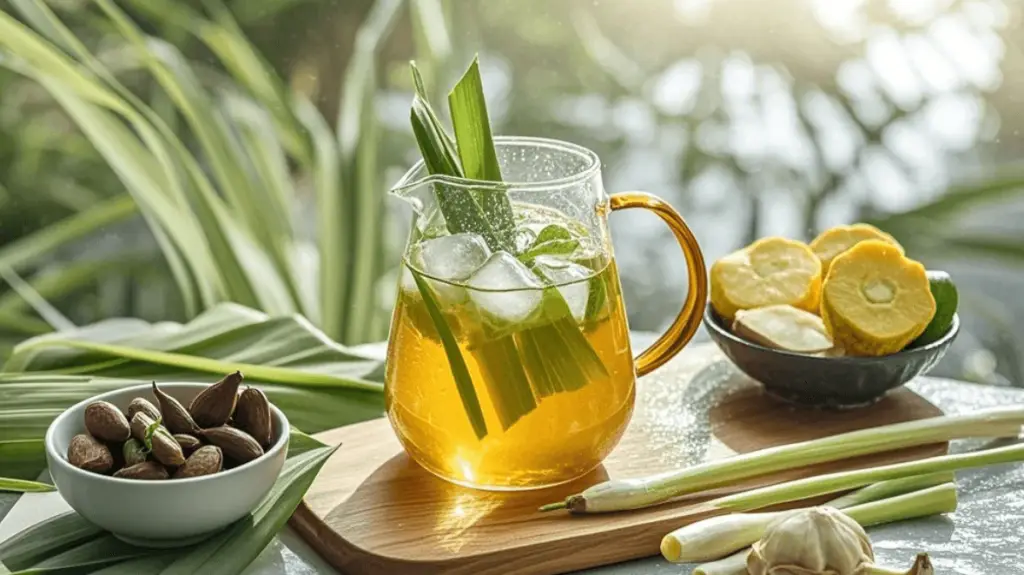
Lemongrass is a fragrant herb used in teas, soups, and curries. It has calming properties and is rich in antioxidants. Lemongrass is also known for its ability to aid digestion and reduce inflammation.
8. Galangal
Galangal, a relative of ginger, is a key ingredient in many Southeast Asian dishes. It is known for its ability to boost immunity and aid digestion. Galangal is often used in soups and curries, adding a unique flavor and health benefits.
9. Pandan Leaves
Pandan leaves are used in desserts and drinks for their sweet aroma and vibrant green color. They are rich in antioxidants and have anti-inflammatory properties. Pandan is also known to help lower blood pressure and improve digestion.
10. Durian
Durian, often called the "king of fruits," is a divisive yet nutrient-dense fruit. It is high in fiber, vitamin C, and healthy fats. Despite its strong odor, durian is a beloved fruit in Southeast Asia and is used in both sweet and savory dishes.
These superfoods are not only integral to Southeast Asian cuisine but also offer numerous health benefits, making them a great addition to any diet.
wendy
|
2025.03.13


