Living in or visiting high-humidity climates, such as those found in Southeast Asia, can pose unique challenges for managing anxiety. The combination of heat and humidity can exacerbate feelings of discomfort and stress, making it important to adopt specific strategies to maintain mental well-being. This article provides practical tips on how to manage anxiety in high-humidity climates.
Understanding the Impact of High Humidity on Anxiety
Physical Discomfort: High humidity levels can cause physical discomfort, such as sweating, fatigue, and difficulty breathing. These physical sensations can trigger or worsen anxiety symptoms.
Sleep Disruption: The heat and humidity can disrupt sleep patterns, leading to fatigue and increased anxiety. Poor sleep quality is closely linked to heightened anxiety levels.
Dehydration: High humidity can lead to increased sweating and dehydration, which can affect cognitive function and mood, contributing to anxiety.
Strategies for Managing Anxiety in High-Humidity Climates
Stay Hydrated
Drink Plenty of Water: Ensure you drink enough water throughout the day to stay hydrated. Dehydration can exacerbate anxiety symptoms, so it’s important to maintain fluid balance.
Electrolyte Drinks: Consider drinking electrolyte-replenishing drinks, especially if you’re engaging in physical activities. These drinks help maintain electrolyte balance and prevent dehydration.
Create a Cool and Comfortable Environment
Use Air Conditioning and Fans: Keep your living space cool and comfortable by using air conditioning and fans. A cool environment can help reduce physical discomfort and promote relaxation.
Breathable Clothing: Wear lightweight, breathable clothing made from natural fibers like cotton. This helps regulate body temperature and reduces sweating.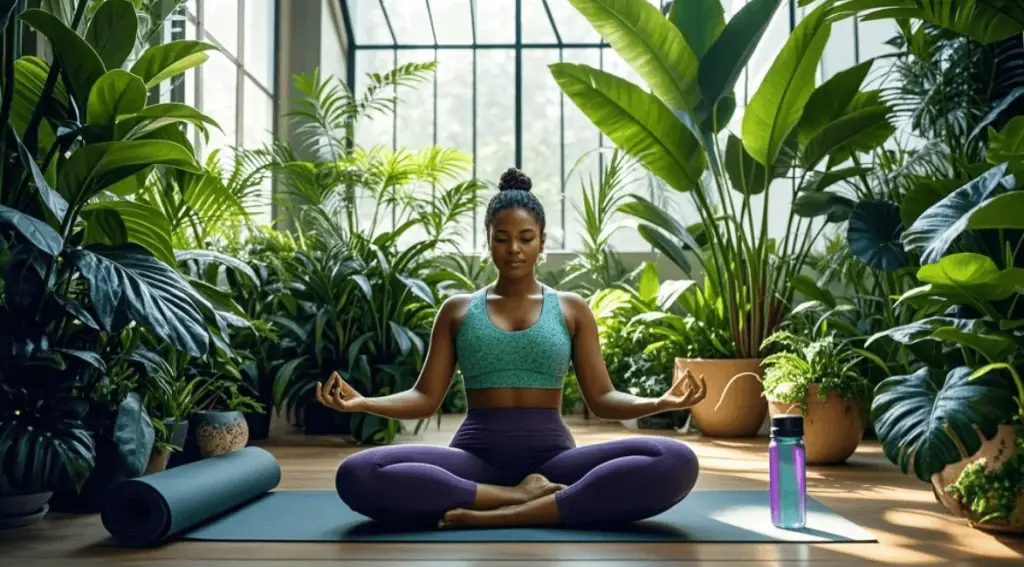
Practice Relaxation Techniques
Deep Breathing Exercises: Practice deep breathing exercises to calm your mind and reduce anxiety. Inhale slowly through your nose, hold for a few seconds, and exhale through your mouth.
Progressive Muscle Relaxation: This technique involves tensing and then relaxing different muscle groups in the body. It helps reduce physical tension and promotes relaxation.
Maintain a Regular Sleep Routine
Cool Sleeping Environment: Ensure your bedroom is cool and comfortable. Use fans, air conditioning, and breathable bedding to improve sleep quality.
Consistent Sleep Schedule: Go to bed and wake up at the same time every day to regulate your sleep cycle. Avoid caffeine and electronic devices before bedtime.
Engage in Physical Activity
Morning or Evening Exercise: Exercise during the cooler parts of the day, such as early morning or late evening. Physical activity helps reduce anxiety by releasing endorphins, the body’s natural mood lifters.
Indoor Activities: If outdoor exercise is too uncomfortable, consider indoor activities like yoga, Pilates, or dancing. These activities provide a good workout without the added stress of heat and humidity.
Mindfulness and Meditation
Mindfulness Practices: Incorporate mindfulness practices into your daily routine. Focus on the present moment and engage in activities that promote relaxation, such as mindful breathing or meditation.
Guided Meditation: Use guided meditation apps or recordings to help you stay focused and calm. Apps like Headspace and Calm offer sessions specifically designed for anxiety relief.
Seek Social Support
Connect with Others: Maintain social connections with friends and family. Social support is crucial for managing anxiety and provides a sense of belonging and emotional well-being.
Join Support Groups: Consider joining support groups or online communities where you can share your experiences and receive support from others facing similar challenges.
Conclusion
Managing anxiety in high-humidity climates requires a combination of physical comfort, relaxation techniques, and social support. By staying hydrated, creating a cool environment, practicing relaxation techniques, maintaining a regular sleep routine, engaging in physical activity, and incorporating mindfulness practices, you can effectively manage anxiety and maintain mental well-being. While the heat and humidity can pose challenges, with the right strategies, you can navigate these conditions and enjoy a balanced and healthy lifestyle.
alice
|
2025.03.13


