xation and fever reduction.
Cultural Significance
Traditional herbal remedies are deeply intertwined with the cultural identity of Indonesia and Malaysia. They are not only used for health but also play a role in rituals, ceremonies, and daily life.
Indonesia
Rituals and Ceremonies: Jamu is often used in traditional ceremonies like weddings and childbirth to promote health and well-being.
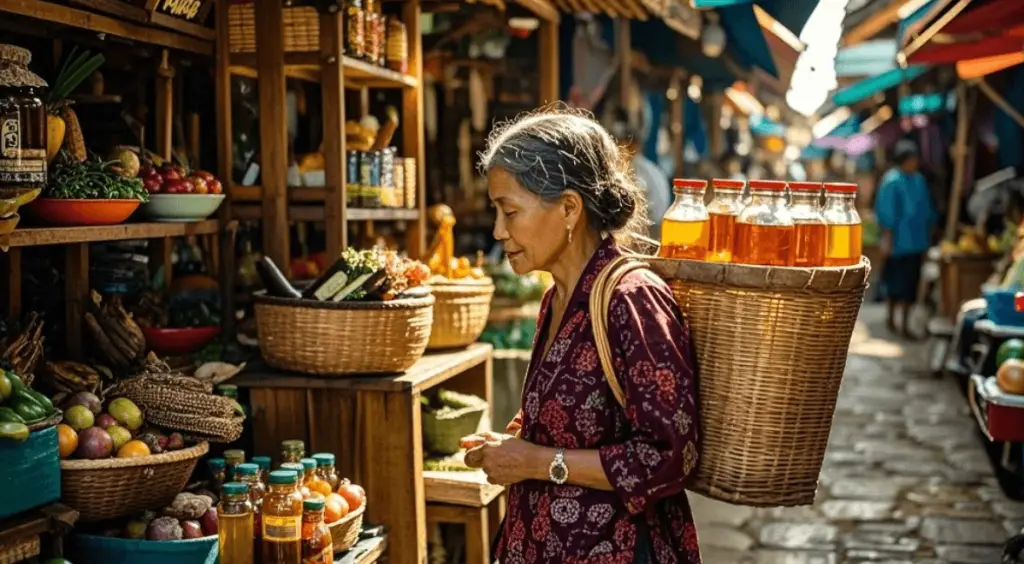
Community Practices: Jamu sellers, known as Jamu Gendong, carry their remedies in bottles on their backs, selling them door-to-door or in markets.
Malaysia
Islamic Influence: Many herbal remedies are aligned with Islamic teachings, using ingredients mentioned in the Quran or Hadith.
Festivals and Traditions: Herbal tonics and remedies are often prepared during festivals like Hari Raya and traditional events like Mandian Bunga (flower bath ritual).
Modern Applications and Challenges
While traditional herbal remedies remain popular, their integration into modern healthcare systems faces challenges and opportunities.
1. Integration with Modern Medicine
Research and Development: Both countries are investing in research to validate the efficacy of traditional remedies and integrate them into modern healthcare.
Pharmaceutical Products: Many herbs are now used in supplements, skincare products, and over-the-counter medicines.
2. Challenges
Standardization: The lack of standardization in preparation and dosage can lead to inconsistent results.
Sustainability: Overharvesting of wild herbs threatens biodiversity and the availability of key ingredients.
Cultural Erosion: Urbanization and modernization are leading to a decline in traditional knowledge and practices.
3. Opportunities
Global Demand: The growing interest in natural and holistic remedies has created a global market for traditional herbal products.
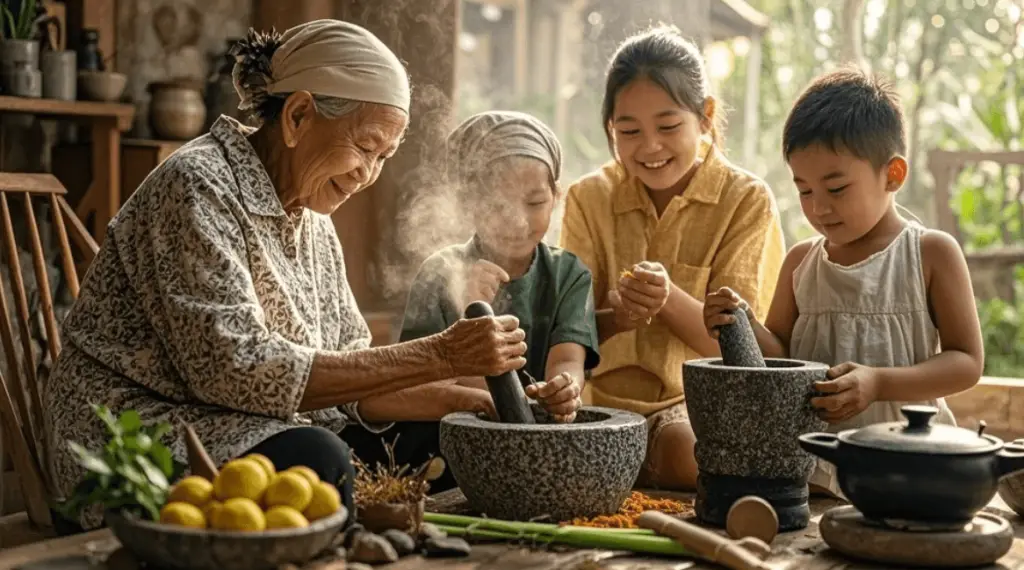
Cultural Preservation: Efforts to document and preserve traditional knowledge are helping to keep these practices alive.
Conclusion
Traditional herbal remedies in Indonesia and Malaysia are a testament to the rich cultural and medicinal heritage of these nations. From the Jamu tradition of Indonesia to the Traditional Malay Medicine of Malaysia, these practices offer holistic solutions for health and well-being. While challenges exist, the integration of traditional remedies into modern healthcare and the growing global interest in natural medicine provide opportunities for their continued relevance and preservation. By embracing the wisdom of the past and adapting it to the needs of the present, Indonesia and Malaysia can ensure that their herbal traditions remain a vital part of their cultural identity and healthcare systems.
mike
|
2025.03.13


