Palm oil is one of the most widely used vegetable oils in the world, particularly in Southeast Asia, where it is a key ingredient in many traditional dishes. However, its health benefits and risks have been the subject of much debate. This article aims to provide a balanced view of palm oil, exploring both its potential health benefits and the risks associated with its consumption.
What is Palm Oil?
Palm oil is derived from the fruit of the oil palm tree (Elaeis guineensis), which is native to West Africa but is now predominantly grown in Southeast Asia, particularly in Indonesia and Malaysia. The oil is extracted from both the flesh of the fruit (palm oil) and the kernel (palm kernel oil). It is widely used in cooking, food processing, and even in non-food products like cosmetics and biofuels.
Health Benefits of Palm Oil
Rich in Antioxidants: Palm oil is rich in tocotrienols, a form of vitamin E that has potent antioxidant properties. Antioxidants help protect the body from oxidative stress and may reduce the risk of chronic diseases such as heart disease and cancer.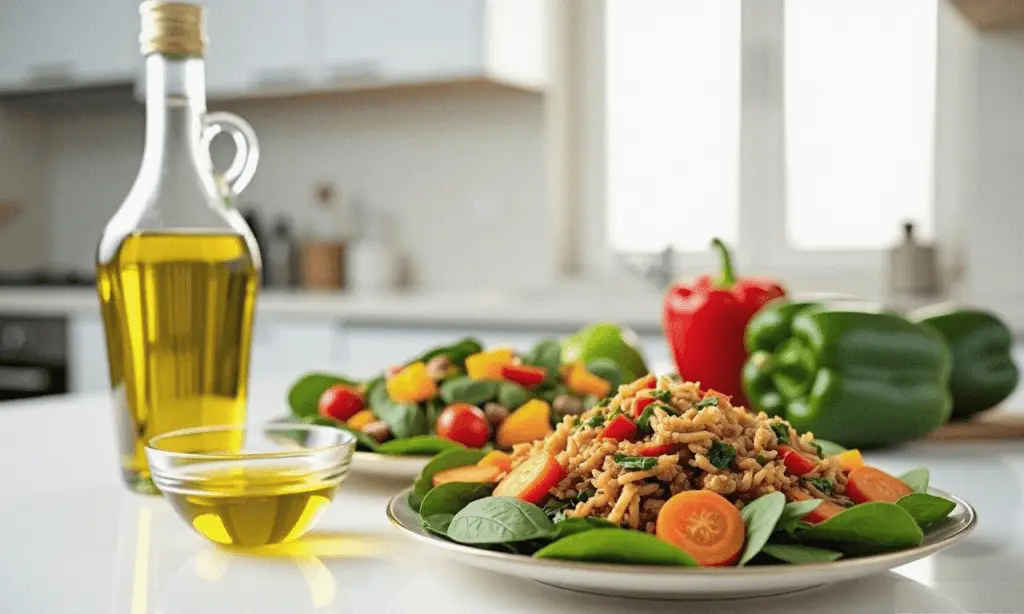
Source of Healthy Fats: Palm oil contains a balanced mix of saturated and unsaturated fats. While it is high in saturated fats, it also contains monounsaturated and polyunsaturated fats, which are beneficial for heart health when consumed in moderation.
Vitamin A: Red palm oil, in particular, is a rich source of beta-carotene, which the body converts into vitamin A. Vitamin A is essential for vision, immune function, and skin health.
Cholesterol Management: Some studies suggest that palm oil may help improve cholesterol levels by increasing HDL (good) cholesterol and reducing LDL (bad) cholesterol. However, the evidence is mixed, and more research is needed.
Risks and Concerns
High in Saturated Fats: Palm oil is high in saturated fats, which can raise LDL cholesterol levels and increase the risk of heart disease when consumed in excess. The American Heart Association recommends limiting saturated fat intake to less than 7% of total daily calories.
Environmental Impact: The production of palm oil has been linked to deforestation, habitat destruction, and loss of biodiversity, particularly in Southeast Asia. This has raised ethical concerns about its consumption.
Processing and Refining: Highly processed and refined palm oil may lose some of its beneficial nutrients and antioxidants. Additionally, the refining process can produce harmful by-products, such as 3-MCPD and glycidyl esters, which have been linked to cancer in animal studies.
Caloric Density: Like all oils, palm oil is calorie-dense, containing about 120 calories per tablespoon. Excessive consumption can contribute to weight gain and obesity.
How to Use Palm Oil Responsibly
Moderation: As with any fat, palm oil should be consumed in moderation. The key is to balance it with other healthy fats, such as olive oil, avocado oil, and nuts.
Choose Sustainable Options: Look for palm oil that is certified by organizations like the Roundtable on Sustainable Palm Oil (RSPO), which promotes environmentally and socially responsible palm oil production.
Opt for Unrefined Palm Oil: Unrefined or red palm oil retains more of its beneficial nutrients and antioxidants compared to highly refined palm oil.
Diversify Your Fats: Incorporate a variety of healthy fats into your diet to ensure you’re getting a balanced intake of different types of fats.
Conclusion
Palm oil is a complex ingredient with both health benefits and risks. While it is a rich source of antioxidants and healthy fats, it is also high in saturated fats and has significant environmental impacts. By consuming palm oil in moderation and choosing sustainable, unrefined options, you can enjoy its benefits while minimizing its risks. As with any dietary choice, balance and mindfulness are key.
alice
|
2025.03.13


