Southeast Asia is a region renowned for its rich cultural diversity, vibrant traditions, and unique culinary heritage. Traditional markets, often referred to as wet markets, play a pivotal role in the daily lives of millions of people across the region. These markets are not just places to buy fresh produce, meats, and seafood; they are also cultural hubs where communities gather, exchange ideas, and preserve their culinary traditions. In recent years, there has been a growing awareness of the importance of healthy eating habits, particularly in the face of rising rates of obesity, diabetes, and other diet-related diseases. This article explores the role of traditional markets in promoting healthy eating habits in Southeast Asia, highlighting their potential as key players in the fight against malnutrition and the promotion of sustainable food systems.
The Cultural Significance of Traditional Markets
Traditional markets have been a cornerstone of Southeast Asian societies for centuries. They are deeply embedded in the cultural fabric of the region, serving as more than just places to buy food. These markets are social spaces where people from all walks of life come together to interact, share stories, and pass down culinary knowledge from one generation to the next. The vibrant atmosphere, the array of fresh produce, and the sense of community make traditional markets an integral part of daily life in Southeast Asia.
In many Southeast Asian countries, traditional markets are the primary source of fresh, locally sourced food. Unlike supermarkets, which often stock processed and imported goods, traditional markets offer a wide variety of fresh fruits, vegetables, herbs, spices, and proteins that are essential for a balanced and nutritious diet. The emphasis on fresh, seasonal, and locally grown produce aligns with the principles of healthy eating, which prioritize whole foods over processed alternatives.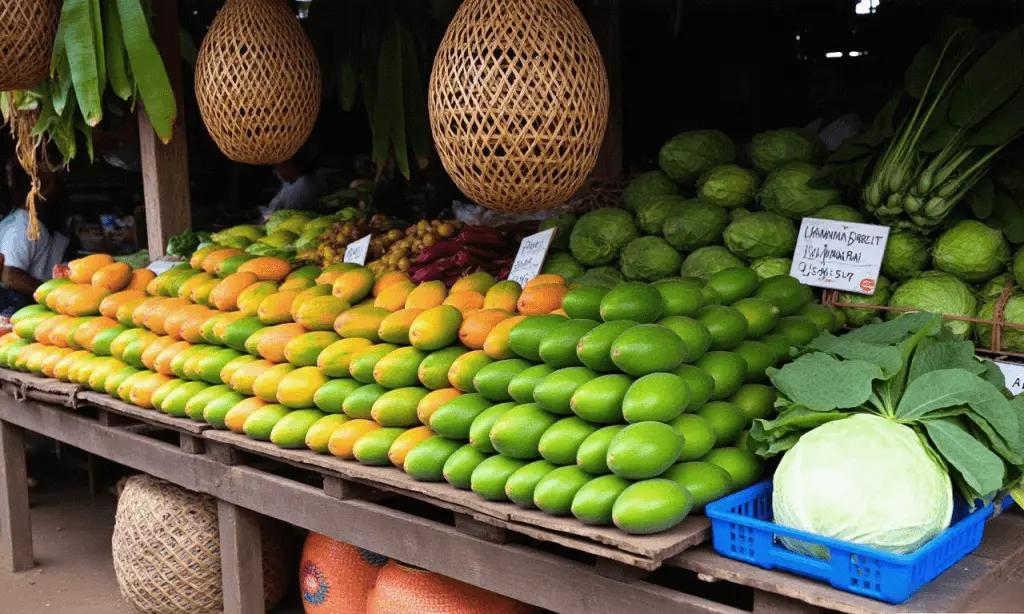
Promoting Healthy Eating Habits through Fresh and Local Produce
One of the most significant contributions of traditional markets to healthy eating habits is their focus on fresh and locally sourced produce. In Southeast Asia, traditional markets are often the first point of sale for farmers and fishermen, ensuring that the food available is as fresh as possible. This freshness not only enhances the flavor and nutritional value of the food but also encourages consumers to cook and eat more healthily.
The availability of a diverse range of fruits and vegetables in traditional markets is particularly important for promoting healthy eating habits. Southeast Asia is home to a wide variety of indigenous fruits and vegetables that are rich in vitamins, minerals, and antioxidants. For example, tropical fruits like mangoes, papayas, and dragon fruits are abundant in traditional markets and are excellent sources of essential nutrients. Similarly, leafy greens such as kangkong (water spinach), moringa, and bok choy are staples in many Southeast Asian diets and are packed with vitamins and minerals that support overall health.
Traditional markets also play a crucial role in preserving the region's culinary heritage, which is inherently tied to healthy eating. Many traditional Southeast Asian dishes are based on a balance of fresh ingredients, herbs, and spices, which not only enhance flavor but also provide numerous health benefits. For instance, the use of turmeric, ginger, and lemongrass in Southeast Asian cuisine has been linked to anti-inflammatory and antioxidant properties. By promoting the consumption of these traditional ingredients, traditional markets help to reinforce healthy eating habits that have been passed down through generations.
The Role of Traditional Markets in Reducing Processed Food Consumption
In recent years, the rise of processed and fast foods has become a significant concern in Southeast Asia, contributing to the increasing prevalence of diet-related diseases such as obesity, diabetes, and cardiovascular conditions. Traditional markets offer a viable alternative to the consumption of processed foods by providing access to fresh, whole foods that are essential for a healthy diet.
Unlike supermarkets, which often prioritize convenience and shelf life over nutritional value, traditional markets emphasize the importance of fresh, minimally processed foods. This focus on whole foods helps to reduce the reliance on processed and packaged foods, which are often high in unhealthy fats, sugars, and sodium. By encouraging consumers to buy fresh ingredients and cook meals at home, traditional markets play a crucial role in promoting healthier eating habits and reducing the consumption of processed foods.
Moreover, traditional markets often offer a wider variety of affordable options compared to supermarkets, making healthy eating more accessible to low-income communities. In many Southeast Asian countries, traditional markets are the primary source of affordable fresh produce, particularly in rural areas where access to supermarkets may be limited. By providing affordable access to nutritious foods, traditional markets help to address issues of food insecurity and malnutrition, particularly among vulnerable populations.
Traditional Markets as Hubs for Nutrition Education
In addition to providing access to fresh and healthy foods, traditional markets have the potential to serve as hubs for nutrition education and awareness. Many traditional markets in Southeast Asia are already centers of community interaction, making them ideal venues for promoting healthy eating habits and raising awareness about the importance of nutrition.
Local governments, non-governmental organizations (NGOs), and community groups can collaborate with traditional markets to organize nutrition workshops, cooking demonstrations, and health screenings. These initiatives can help to educate consumers about the benefits of a balanced diet, the importance of consuming fresh and locally sourced foods, and the risks associated with processed and unhealthy foods. By empowering consumers with knowledge about nutrition, traditional markets can play a proactive role in promoting healthier eating habits and preventing diet-related diseases.
Furthermore, traditional markets can serve as platforms for promoting sustainable and ethical food practices. Many traditional markets in Southeast Asia already prioritize the sale of locally grown and seasonal produce, which has a lower environmental impact compared to imported and out-of-season goods. By promoting the consumption of sustainable and ethically sourced foods, traditional markets can contribute to the development of a more sustainable food system that supports both human health and the environment.
Challenges and Opportunities
While traditional markets have the potential to play a significant role in promoting healthy eating habits, they also face several challenges that need to be addressed. One of the main challenges is the competition from modern supermarkets and convenience stores, which often offer a wider range of processed and packaged foods. The convenience and affordability of these foods can make it difficult for traditional markets to compete, particularly among younger generations who may be more accustomed to the convenience of modern retail.
Another challenge is the need to improve the infrastructure and hygiene standards of traditional markets. In some cases, traditional markets may be perceived as less hygienic or less organized compared to supermarkets, which can deter consumers from shopping there. To address this issue, local governments and market operators need to invest in improving the infrastructure, cleanliness, and overall management of traditional markets to ensure that they remain attractive and accessible to consumers.
Despite these challenges, there are also significant opportunities for traditional markets to thrive and continue promoting healthy eating habits. The growing interest in organic and locally sourced foods presents an opportunity for traditional markets to differentiate themselves from supermarkets by emphasizing their commitment to fresh, sustainable, and ethically sourced produce. Additionally, the rise of digital technology and e-commerce platforms offers new opportunities for traditional markets to reach a wider audience and promote their products online.
Conclusion
Traditional markets are an integral part of Southeast Asian culture and play a vital role in promoting healthy eating habits. By providing access to fresh, locally sourced, and nutritious foods, traditional markets help to reduce the consumption of processed and unhealthy foods, support sustainable food systems, and preserve the region's culinary heritage. Moreover, traditional markets have the potential to serve as hubs for nutrition education and community engagement, empowering consumers with the knowledge and resources they need to make healthier food choices.
As Southeast Asia continues to grapple with the challenges of diet-related diseases and food insecurity, traditional markets offer a sustainable and culturally relevant solution to promoting healthy eating habits. By investing in the infrastructure, hygiene, and management of traditional markets, and by leveraging new technologies and partnerships, traditional markets can continue to thrive and play a central role in shaping the future of food in Southeast Asia.
jack
|
2025.03.13


