Rural areas in Southeast Asia face unique healthcare challenges, including limited access to medical facilities, a shortage of trained healthcare workers, and socio-economic barriers to receiving care. Community health programs play a crucial role in addressing these issues by providing accessible, affordable, and culturally sensitive healthcare solutions. These programs often bridge the gap between underserved rural populations and essential medical services. This article explores the importance, impact, and future prospects of community health programs in rural Southeast Asia, highlighting successful initiatives and the ongoing challenges they aim to overcome.
1. Understanding Community Health Programs
Community health programs are organized efforts aimed at improving public health through education, prevention, and the delivery of essential medical services. These programs often rely on local resources and community participation to ensure sustainability and cultural appropriateness. In rural Southeast Asia, community health programs typically focus on areas such as maternal and child health, infectious disease prevention, sanitation, and nutrition.
A distinguishing feature of community health programs is their grassroots nature. These initiatives often involve community health workers (CHWs) who are trained to deliver basic health services, conduct health education campaigns, and refer patients to higher levels of care when necessary. The localized approach enhances trust and increases the likelihood of program acceptance and long-term success.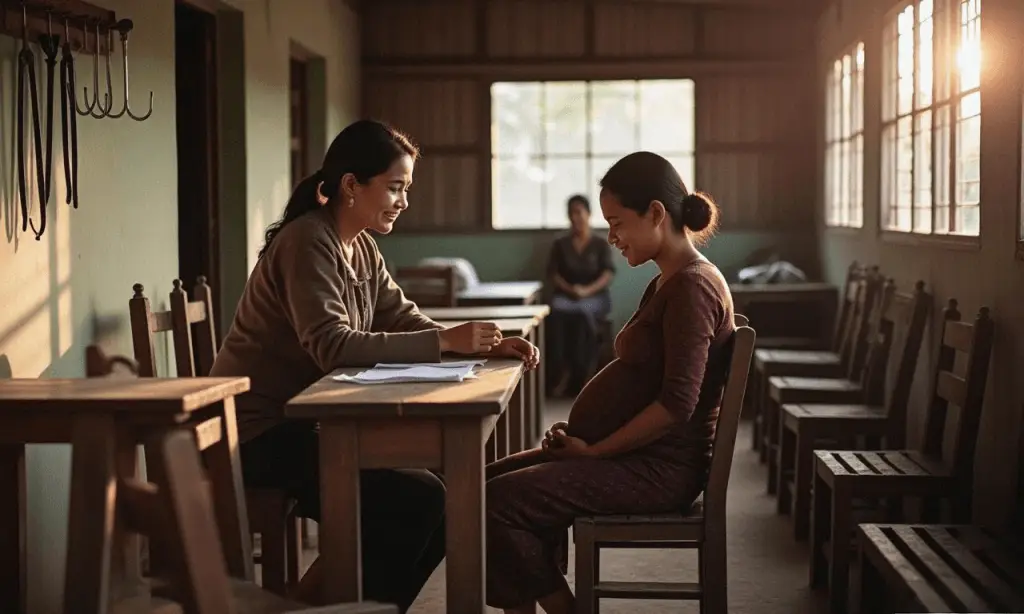
2. The Importance of Community Health Programs in Rural Southeast Asia
Rural areas in Southeast Asia often suffer from inadequate healthcare infrastructure and a lack of trained medical professionals. Community health programs play a vital role in addressing these gaps by offering cost-effective, community-driven solutions. Key areas where these programs are especially critical include:
Maternal and Child Health: Community health programs have significantly reduced maternal and infant mortality rates through antenatal care, skilled birth attendance, and postnatal follow-up. Programs like the Philippines' Barangay Health Workers initiative provide essential maternal health services at the village level.
Infectious Disease Control: Southeast Asia remains a hotspot for infectious diseases such as malaria, dengue fever, and tuberculosis. Community health programs support disease surveillance, provide preventive measures (such as mosquito nets and vaccinations), and offer early diagnosis and treatment.
Health Education and Behavior Change: Educating rural populations about hygiene practices, family planning, and nutrition leads to long-term health improvements. Programs such as Thailand's Village Health Volunteers have been successful in promoting public health awareness and preventive care.
Emergency Response and Disaster Preparedness: Rural areas are often vulnerable to natural disasters. Community health programs facilitate emergency response training and provide immediate post-disaster medical assistance, ensuring quicker recovery and reduced mortality.
3. Successful Community Health Programs in Southeast Asia
Several countries in Southeast Asia have developed innovative community health programs that have achieved tangible improvements in public health. Notable examples include:
Indonesia's Village Midwife Program (Bidan di Desa): This initiative deploys trained midwives to remote villages, improving maternal and neonatal outcomes. Since its inception, the program has increased access to skilled birth attendants and reduced maternal mortality.
Cambodia's Community-Based Health Insurance (CBHI): Designed to alleviate financial barriers to healthcare, CBHI offers low-cost health insurance for rural populations. The program enhances healthcare affordability and utilization while protecting families from catastrophic medical expenses.
Vietnam's Commune Health Stations: These facilities provide comprehensive primary care, including immunizations, maternal care, and chronic disease management. By integrating traditional medicine with modern healthcare practices, Vietnam's model ensures culturally appropriate care.
Myanmar's Auxiliary Midwife Program: In regions with limited access to healthcare, auxiliary midwives provide maternal and child health services. This community-based approach has helped reduce maternal mortality in hard-to-reach areas.
4. Challenges Facing Community Health Programs
Despite their successes, community health programs in rural Southeast Asia face several ongoing challenges:
Resource Constraints: Limited financial and human resources can impede program expansion and sustainability. Many programs rely on external funding, making them vulnerable to budget cuts and shifting donor priorities.
Training and Retention of Health Workers: Community health workers often receive minimal compensation, leading to high turnover rates. Ensuring adequate training, fair remuneration, and professional development opportunities is crucial to maintaining a motivated workforce.
Cultural and Linguistic Barriers: Programs must navigate the diverse cultural and linguistic landscape of Southeast Asia. Community engagement and culturally sensitive approaches are essential for program acceptance.
Monitoring and Evaluation: Robust systems for tracking outcomes and measuring program effectiveness are often lacking. Improved data collection and analysis can enhance program accountability and inform future initiatives.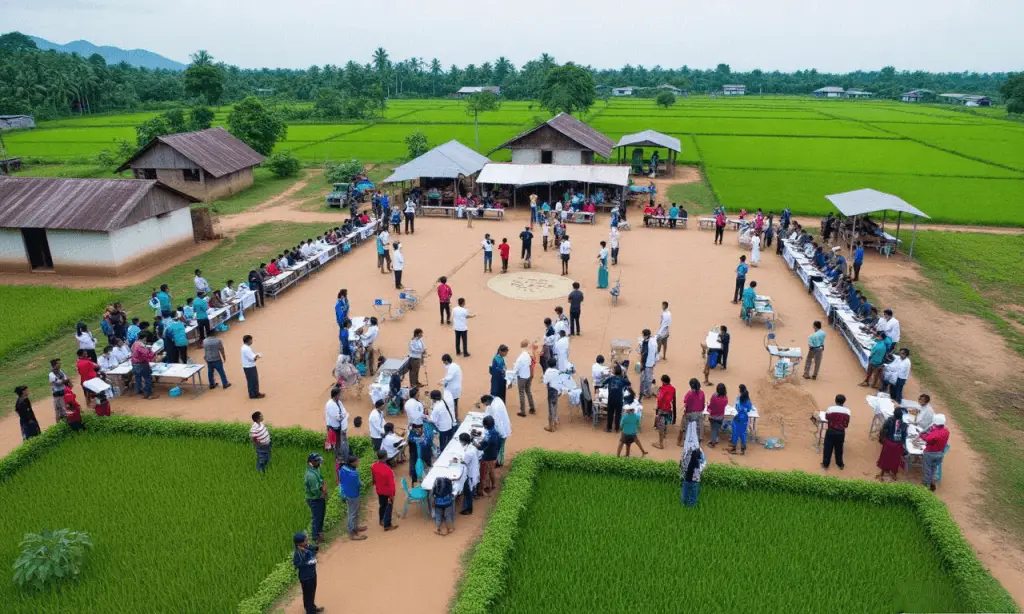
5. Future Directions and Policy Recommendations
To strengthen community health programs and maximize their impact, several strategic actions are recommended:
Increased Investment: Governments and international organizations should prioritize sustainable funding to expand and enhance community health programs.
Capacity Building: Strengthening the training and support of community health workers is essential. This includes providing continuous education, fair compensation, and clear career pathways.
Community Participation: Engaging local communities in program design and implementation ensures cultural relevance and fosters long-term ownership.
Technological Integration: Leveraging digital health tools, such as telemedicine and mobile health applications, can improve service delivery in remote areas.
Policy Integration: Integrating community health programs into national health systems ensures alignment with broader health policies and enhances program sustainability.
Conclusion
Community health programs play a critical role in improving healthcare access and outcomes in rural Southeast Asia. Through localized, cost-effective approaches, these programs address pressing health needs and empower communities to take charge of their health. Despite the challenges they face, with sustained investment, policy support, and community engagement, community health programs can continue to drive positive health outcomes and reduce health disparities in the region. Strengthening these programs is not just a matter of public health but a commitment to equity and social justice for all.
alice
|
2025.03.13


