Buddhism, one of the most widely practiced religions in Southeast Asia, plays a significant role in promoting mental wellness. With its emphasis on mindfulness, meditation, and compassion, Buddhism offers a holistic approach to mental health that resonates deeply with the cultural fabric of the region. This article explores how Buddhism contributes to mental wellness in Southeast Asia and why its teachings are increasingly relevant in today’s fast-paced world.
The Core Principles of Buddhism
Mindfulness: Mindfulness is a cornerstone of Buddhist practice. It involves being fully present in the moment, aware of your thoughts, feelings, and surroundings without judgment. This practice helps reduce stress, improve focus, and enhance emotional regulation.
Meditation: Meditation is a key practice in Buddhism aimed at calming the mind and achieving a state of inner peace. Various forms of meditation, such as Vipassana (insight meditation) and Metta (loving-kindness meditation), are widely practiced in Southeast Asia.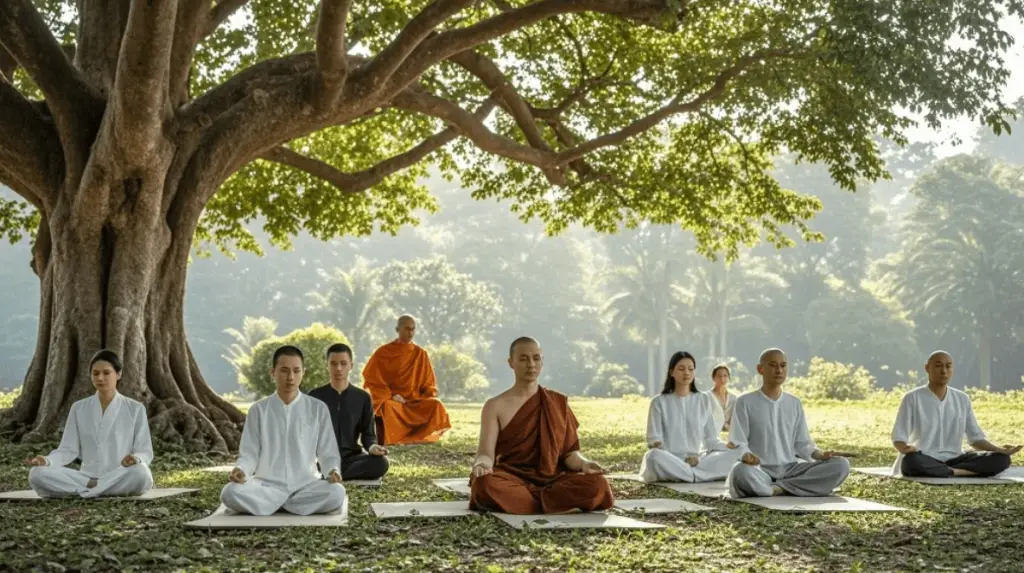
Compassion and Loving-Kindness: Buddhism teaches the importance of compassion and loving-kindness towards oneself and others. These principles foster emotional resilience and improve interpersonal relationships.
Impermanence and Non-Attachment: The concept of impermanence (Anicca) teaches that all things are transient. Practicing non-attachment helps individuals cope with change and loss, reducing anxiety and depression.
How Buddhism Promotes Mental Wellness
Stress Reduction
Mindfulness Practices: Mindfulness practices, such as mindful breathing and walking, help individuals manage stress by bringing their attention to the present moment. This reduces the tendency to ruminate on past events or worry about the future.
Meditation: Regular meditation practice has been shown to lower cortisol levels, the hormone associated with stress. It promotes relaxation and a sense of calm.
Emotional Regulation
Metta Meditation: Metta meditation involves cultivating feelings of love and compassion towards oneself and others. This practice helps individuals manage negative emotions and develop a more positive outlook on life.
Mindful Awareness: By becoming more aware of their emotional states, individuals can better understand and regulate their emotions, leading to improved mental health.
Improved Focus and Concentration
Vipassana Meditation: Vipassana, or insight meditation, involves focusing on the breath and observing thoughts and sensations without attachment. This practice enhances concentration and cognitive function.
Mindful Activities: Engaging in mindful activities, such as mindful eating or mindful listening, improves focus and attention in daily life.
Enhanced Resilience
Impermanence: Understanding and accepting the transient nature of life helps individuals develop resilience. This perspective allows them to cope better with life’s challenges and setbacks.
Compassion: Practicing compassion towards oneself and others fosters emotional resilience, enabling individuals to navigate difficult situations with greater ease.
Buddhism in Everyday Life in Southeast Asia
Temple Visits: Regular visits to Buddhist temples for prayer, meditation, and community activities are common in Southeast Asia. These visits provide a sense of peace and community support.
Monastic Life: Many people in Southeast Asia spend time in monastic life, either temporarily or permanently. This experience offers a deep immersion in Buddhist practices and teachings, promoting mental and spiritual well-being.
Festivals and Rituals: Buddhist festivals and rituals, such as Vesak and Kathina, provide opportunities for communal meditation, reflection, and acts of kindness, fostering a sense of belonging and mental wellness.
Conclusion
Buddhism plays a vital role in promoting mental wellness in Southeast Asia through its emphasis on mindfulness, meditation, compassion, and the understanding of impermanence. These practices help individuals manage stress, regulate emotions, improve focus, and build resilience. As the world becomes increasingly fast-paced and stressful, the timeless teachings of Buddhism offer valuable tools for maintaining mental health and well-being. Whether through temple visits, meditation, or daily mindfulness practices, Buddhism provides a holistic approach to mental wellness that is deeply rooted in the cultural fabric of Southeast Asia.
alice
|
2025.03.13


