Southeast Asia is a region rich in cultural diversity and ancient traditions, many of which include holistic approaches to health and wellness. Among these, Ayurveda and other forms of Traditional Medicine have played a significant role in shaping the healthcare practices of the region. This article explores the origins, principles, and applications of Ayurveda and Traditional Medicine in Southeast Asia, highlighting their cultural significance, health benefits, and modern adaptations.
Historical Background
Ayurveda: The Science of Life
Ayurveda, a 5,000-year-old system of medicine originating in India, is based on the belief that health and wellness depend on a balance between the mind, body, and spirit. The term "Ayurveda" is derived from the Sanskrit words Ayur (life) and Veda (knowledge or science). It emphasizes preventive care and the use of natural remedies to maintain this balance.
Traditional Medicine in Southeast Asia
Traditional Medicine in Southeast Asia encompasses a variety of practices influenced by Ayurveda, Traditional Chinese Medicine (TCM), indigenous healing systems, and Islamic medicinal traditions. These practices have evolved over centuries, blending local knowledge with external influences to create unique healthcare systems.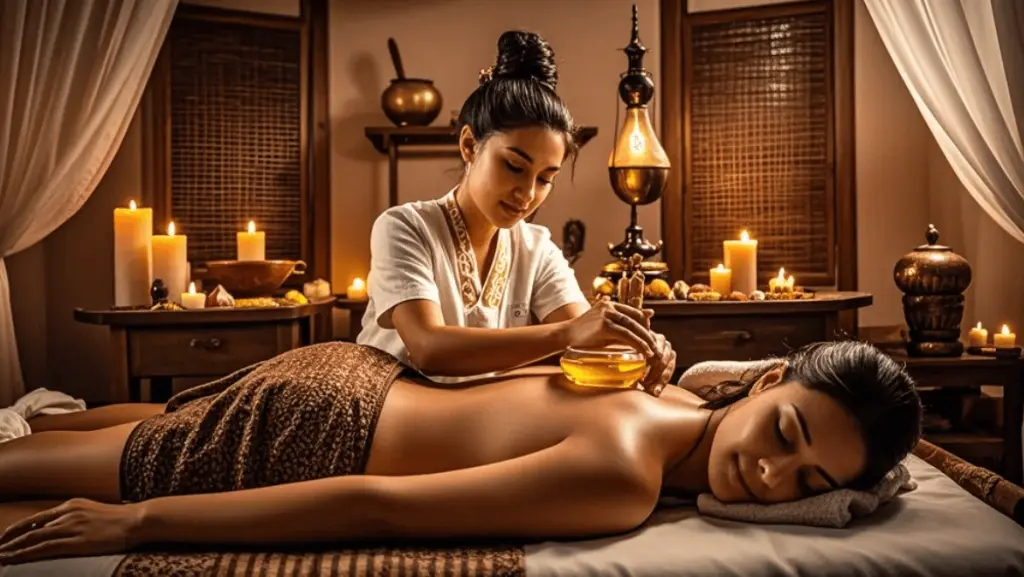
Core Principles of Ayurveda and Traditional Medicine
Ayurveda
Ayurveda is based on the concept of Tridosha, which identifies three fundamental energies or principles that govern the body:
Vata (air and space): Governs movement and communication.
Pitta (fire and water): Controls digestion and metabolism.
Kapha (earth and water): Regulates structure and stability.
Health is achieved when these doshas are in balance, while imbalance leads to disease. Ayurveda uses diet, herbal remedies, yoga, meditation, and detoxification to restore this balance.
Traditional Medicine in Southeast Asia
Traditional Medicine in the region is characterized by its holistic approach, focusing on the interconnectedness of the body, mind, and environment. Key principles include:
Herbal Remedies: The use of plants and natural ingredients to treat ailments.
Energy Flow: Practices like Qi (in TCM) and Prana (in Ayurveda) emphasize the importance of energy flow in maintaining health.
Preventive Care: Emphasis on lifestyle, diet, and rituals to prevent illness.
Common Practices and Remedies
Ayurveda in Southeast Asia
Ayurveda has been integrated into the traditional medicine systems of countries like Thailand, Myanmar, and Indonesia. Common practices include:
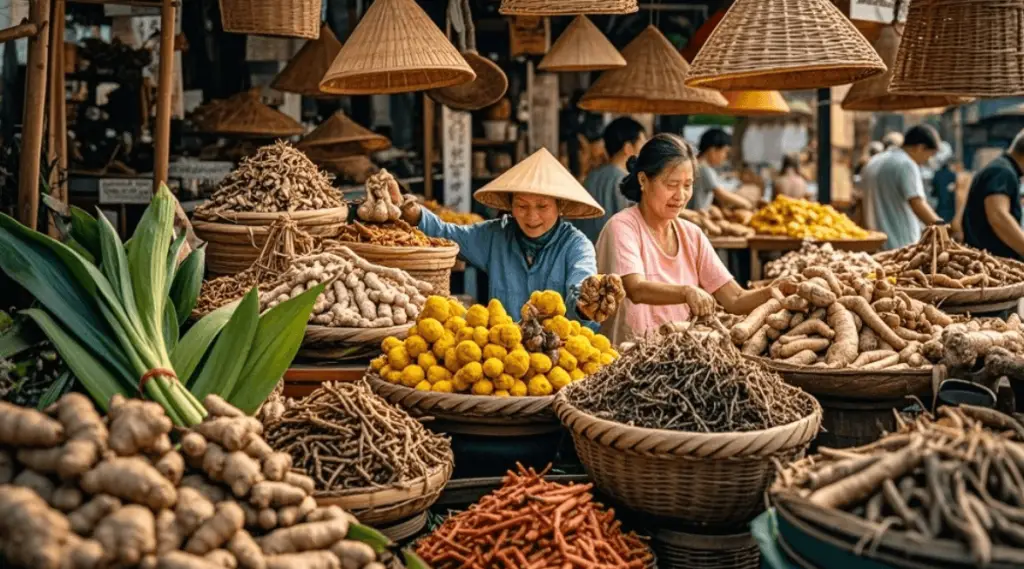
Herbal Formulations: Use of herbs like turmeric, ginger, and neem for their anti-inflammatory and healing properties.
Massage Therapy: Ayurvedic massage techniques, such as Abhyanga, are used to improve circulation and detoxify the body.
Dietary Guidelines: Customized diets based on individual dosha types to promote balance and health.
Traditional Medicine Practices
Each country in Southeast Asia has its unique traditional medicine practices:
Indonesia: Jamu, a herbal medicine system, uses ingredients like turmeric, tamarind, and ginger to treat various ailments.
Thailand: Traditional Thai Medicine combines Ayurveda, TCM, and indigenous practices, with therapies like Thai massage and herbal compresses.
Myanmar: Traditional Burmese Medicine incorporates Ayurveda and local herbal knowledge, using remedies like Thanakha (a paste made from tree bark) for skincare.
Vietnam: Thuốc Nam (Southern Medicine) relies on locally sourced herbs to treat diseases and promote wellness.
Cultural Significance
Ayurveda and Traditional Medicine are deeply embedded in the cultural fabric of Southeast Asia. They are not only used for healthcare but also play a role in rituals, festivals, and daily life.
Rituals and Ceremonies
Indonesia: Jamu is often consumed during traditional ceremonies like weddings and childbirth.
Thailand: Herbal remedies are used in Buddhist rituals and festivals to promote health and well-being.
Community Practices
Herbal Markets: Local markets in countries like Thailand and Vietnam sell fresh herbs and traditional remedies.
Healers and Practitioners: Traditional healers, such as Bomoh in Malaysia and Dukun in Indonesia, are respected members of the community.
Modern Applications and Challenges
Integration with Modern Medicine
Ayurveda and Traditional Medicine are increasingly being integrated into modern healthcare systems in Southeast Asia. Governments and organizations are investing in research to validate their efficacy and promote their use.
Research and Development: Studies are being conducted to understand the scientific basis of traditional remedies.
Pharmaceutical Products: Many herbs are now used in supplements, skincare products, and over-the-counter medicines.
Wellness Tourism: Countries like Thailand and Indonesia are promoting Ayurveda and Traditional Medicine as part of their wellness tourism offerings.
Challenges
Standardization: The lack of standardized practices and dosages can lead to inconsistent results.
Sustainability: Overharvesting of medicinal plants threatens biodiversity and the availability of key ingredients.
Cultural Erosion: Urbanization and modernization are leading to a decline in traditional knowledge and practices.
Opportunities
Global Demand: The growing interest in natural and holistic remedies has created a global market for Ayurveda and Traditional Medicine.
Cultural Preservation: Efforts to document and preserve traditional knowledge are helping to keep these practices alive.
Innovation: Modern technologies, such as AI and biotechnology, are being used to enhance the efficacy and accessibility of traditional remedies.
Conclusion
Ayurveda and Traditional Medicine have played a vital role in the healthcare systems of Southeast Asia for centuries. Their holistic approach, emphasis on natural remedies, and deep cultural significance continue to make them relevant in modern times. While challenges exist, the integration of these practices into modern healthcare, coupled with global interest and innovation, provides opportunities for their continued growth and preservation. By embracing the wisdom of the past and adapting it to the needs of the present, Southeast Asia can ensure that Ayurveda and Traditional Medicine remain a cornerstone of its cultural and healthcare identity.
jack
|
2025.03.13


