Kaffir lime (Citrus hystrix), known for its distinctive bumpy skin and aromatic leaves, is a citrus fruit native to Southeast Asia. It is a cornerstone of traditional healing practices in countries like Thailand, Indonesia, Malaysia, and Vietnam. Beyond its culinary uses, kaffir lime is revered for its medicinal properties, which have been harnessed for centuries to treat a variety of ailments. This article explores the healing power of kaffir lime, its role in traditional medicine, and its modern applications in health and wellness.
Historical and Cultural Significance
Kaffir lime has been an integral part of Southeast Asian culture and traditional medicine for centuries. Its leaves, fruit, and rind are used in various forms to promote health and well-being. In Thailand, kaffir lime is known as makrut, and its leaves are a key ingredient in dishes like Tom Yum soup and green curry. In Indonesia and Malaysia, it is used in traditional remedies and spiritual rituals to ward off evil spirits and promote purification.
The fruit's strong citrus aroma and potent bioactive compounds have made it a popular choice for treating infections, digestive issues, and skin conditions. Traditional healers often use kaffir lime in combination with other herbs to create powerful remedies that address both physical and spiritual ailments.
Nutritional and Medicinal Properties
Kaffir lime is rich in essential nutrients and bioactive compounds that contribute to its healing properties. Some of the key components include:
Essential Oils
The leaves and rind of kaffir lime contain essential oils such as citronellal, limonene, and β-pinene, which have antimicrobial, anti-inflammatory, and antioxidant properties.
Vitamins and Minerals
Kaffir lime is a good source of vitamin C, which supports immune function and skin health. It also contains small amounts of calcium, potassium, and magnesium, which are essential for bone health and muscle function.
Antioxidants
The fruit and leaves are packed with antioxidants that help neutralize free radicals and reduce oxidative stress, which is linked to chronic diseases and aging.
Flavonoids and Polyphenols
These compounds have anti-inflammatory and anticancer properties, making kaffir lime a valuable tool in traditional and modern medicine.
Traditional Healing Practices
Kaffir lime has been used in traditional healing practices to treat a wide range of conditions. Here are some of its most common applications:
Digestive Health
Kaffir lime is often used to alleviate digestive issues such as bloating, indigestion, and constipation. The essential oils in the leaves and rind stimulate the production of digestive enzymes, improving gut health and promoting regular bowel movements. Traditional remedies include drinking kaffir lime tea or consuming dishes infused with its leaves.
Skin Care
The antimicrobial and anti-inflammatory properties of kaffir lime make it effective in treating skin conditions like acne, eczema, and fungal infections. The juice and essential oils are often applied topically to cleanse the skin, reduce inflammation, and promote healing. In Thailand, kaffir lime is a common ingredient in natural skincare products.
Respiratory Health
Kaffir lime is used to treat respiratory conditions such as coughs, colds, and asthma. The essential oils in the leaves and rind help clear congestion, reduce inflammation, and soothe the respiratory tract. Traditional remedies include inhaling steam infused with kaffir lime leaves or drinking kaffir lime tea.
Oral Health
The antimicrobial properties of kaffir lime make it effective in promoting oral health. It is often used to treat gum infections, bad breath, and toothaches. Traditional practices include chewing on kaffir lime leaves or using a mouthwash made from its juice.
Immune Boosting
Kaffir lime is rich in vitamin C and antioxidants, which help strengthen the immune system and protect the body against infections. It is often consumed during flu season or as a general tonic to boost overall health.
Stress Relief and Mental Clarity
The refreshing aroma of kaffir lime has a calming effect on the mind and body. It is often used in aromatherapy to reduce stress, anxiety, and mental fatigue. Traditional healers also use kaffir lime in spiritual rituals to promote mental clarity and emotional balance.
Modern Applications
With the growing interest in natural remedies, kaffir lime has gained popularity in modern health and wellness practices. Its essential oils and extracts are now used in a variety of products, including:
Aromatherapy
Kaffir lime essential oil is used in diffusers and massage oils to promote relaxation and reduce stress. Its uplifting aroma is also believed to enhance focus and mental clarity.
Skincare Products
Kaffir lime is a common ingredient in natural skincare products such as cleansers, toners, and moisturizers. Its antimicrobial and antioxidant properties help cleanse the skin, reduce inflammation, and promote a healthy complexion.
Dietary Supplements
Kaffir lime extracts are available in capsule and powder form, providing a convenient way to incorporate its health benefits into your daily routine. These supplements are often used to support digestion, boost immunity, and promote overall well-being.
Culinary Uses
Kaffir lime leaves and rind are widely used in Southeast Asian cuisine to add flavor and aroma to dishes. They are also used to make teas, infusions, and herbal remedies.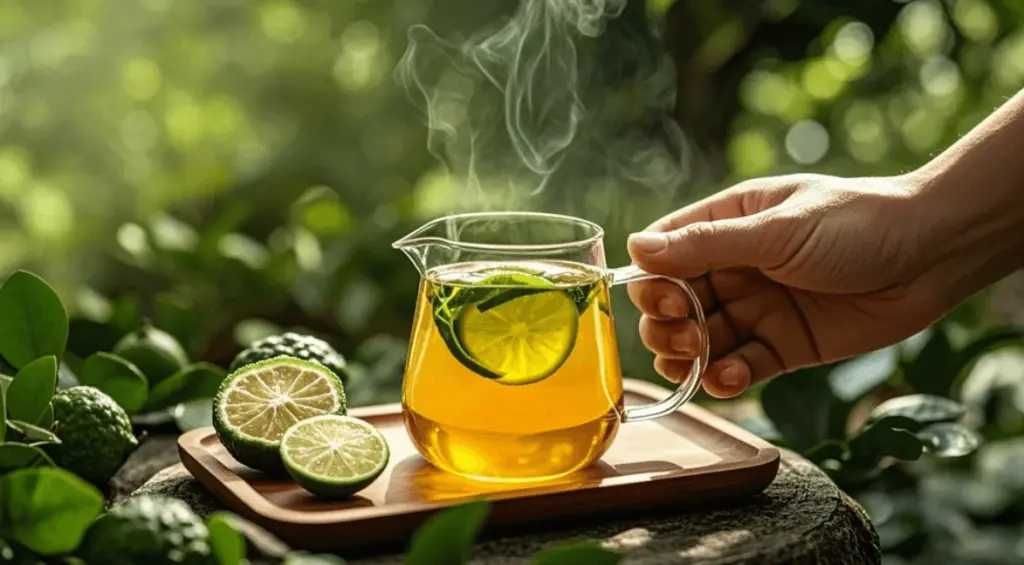
Scientific Research and Evidence
Modern scientific research has begun to validate many of the traditional uses of kaffir lime. Studies have shown that the essential oils and bioactive compounds in kaffir lime have antimicrobial, anti-inflammatory, and antioxidant properties. For example:
A study published in the Journal of Ethnopharmacology found that kaffir lime essential oil exhibited strong antimicrobial activity against a range of bacteria and fungi.
Research in the Journal of Medicinal Food highlighted the antioxidant and anti-inflammatory effects of kaffir lime extracts, suggesting their potential in preventing chronic diseases.
Another study in the Asian Pacific Journal of Tropical Biomedicine demonstrated the wound-healing properties of kaffir lime, supporting its traditional use in treating skin conditions.
Precautions and Considerations
While kaffir lime is generally safe for most people, there are a few precautions to keep in mind:
Skin Sensitivity: The essential oils in kaffir lime can cause skin irritation in some individuals. It is recommended to perform a patch test before using kaffir lime topically.
Pregnancy and Breastfeeding: Pregnant and breastfeeding women should consult their doctor before using kaffir lime in large amounts or as a supplement.
Medication Interactions: Kaffir lime may interact with certain medications, such as blood thinners and diabetes drugs. Consult a healthcare provider if you are taking any medications.
Conclusion
Kaffir lime is a powerful natural remedy that has been used in traditional healing practices for centuries. Its antimicrobial, anti-inflammatory, and antioxidant properties make it effective in treating a wide range of conditions, from digestive issues and skin problems to respiratory infections and stress. As modern research continues to uncover the science behind its benefits, kaffir lime is gaining recognition as a valuable tool in health and wellness.
By incorporating kaffir lime into your diet, skincare routine, or aromatherapy practice, you can harness its healing power and support your body's natural ability to heal and thrive. Whether used in traditional remedies or modern applications, kaffir lime is a true gift from nature that continues to enrich lives across the globe.
jack
|
2025.03.13


