Introduction
Southeast Asia is one of the most dynamic and rapidly urbanizing regions in the world. Its cities, such as Bangkok, Jakarta, Manila, and Hanoi, are hubs of economic activity, cultural exchange, and innovation. However, this rapid urbanization has come at a cost: many Southeast Asian cities are grappling with severe air pollution, which poses significant risks to public health. Air pollution is a complex issue driven by factors such as vehicular emissions, industrial activities, construction, and agricultural burning. In this article, we explore the impact of air pollution on health in Southeast Asian cities, the sources of pollution, and the measures being taken to address this pressing issue.
The State of Air Pollution in Southeast Asian Cities
Air pollution in Southeast Asian cities is a growing concern, with many urban centers consistently ranking among the most polluted in the world. According to the World Air Quality Index, cities like Jakarta, Hanoi, and Bangkok frequently experience air quality levels that exceed the World Health Organization (WHO) guidelines. The primary pollutants of concern include particulate matter (PM2.5 and PM10), nitrogen dioxide (NO2), sulfur dioxide (SO2), and ozone (O3).
The sources of air pollution in the region are diverse and interconnected. Key contributors include:
Vehicular Emissions: The rapid increase in motor vehicles, coupled with inadequate public transportation infrastructure, has led to high levels of traffic congestion and emissions. Many vehicles in the region run on low-quality fuel, further exacerbating the problem.
Industrial Activities: Industrial zones in and around cities release significant amounts of pollutants into the air. Factories, power plants, and construction sites are major sources of particulate matter and toxic gases.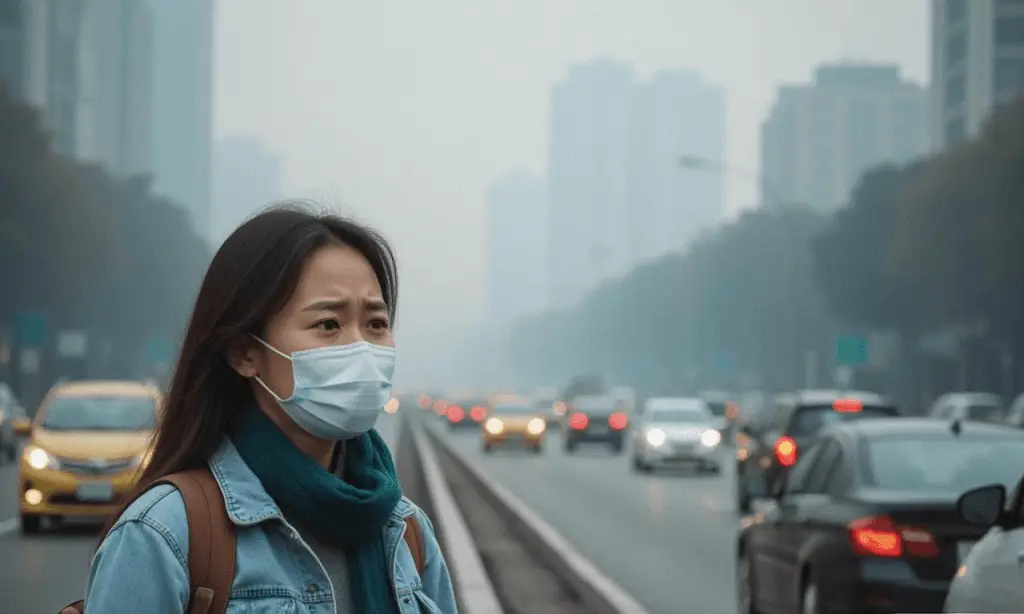
Agricultural Burning: In countries like Indonesia and Malaysia, the practice of slash-and-burn agriculture to clear land for palm oil and other crops releases massive amounts of smoke and haze, which can spread across borders and affect neighboring countries.
Household Pollution: The use of solid fuels like wood and charcoal for cooking and heating in low-income households contributes to indoor and outdoor air pollution.
Urban Development: Rapid urbanization and construction activities generate dust and particulate matter, worsening air quality in cities.
Health Impacts of Air Pollution
Air pollution has far-reaching consequences for human health, particularly in densely populated urban areas. The following are some of the most significant health impacts observed in Southeast Asian cities:
Respiratory Diseases: Exposure to high levels of air pollution is a major risk factor for respiratory conditions such as asthma, chronic obstructive pulmonary disease (COPD), and lung cancer. Fine particulate matter (PM2.5) can penetrate deep into the lungs, causing inflammation and reducing lung function.
Cardiovascular Diseases: Air pollution is linked to an increased risk of heart attacks, strokes, and other cardiovascular diseases. Pollutants like nitrogen dioxide and ozone can damage blood vessels and increase blood pressure.
Premature Mortality: Long-term exposure to air pollution is associated with premature death. According to the WHO, air pollution is responsible for millions of premature deaths globally each year, with Southeast Asia being one of the most affected regions.
Impact on Children: Children are particularly vulnerable to the effects of air pollution due to their developing lungs and immune systems. Exposure to polluted air can lead to respiratory infections, impaired lung development, and cognitive deficits.
Mental Health: Emerging research suggests that air pollution may also affect mental health, contributing to conditions such as anxiety, depression, and cognitive decline.
Economic Burden: The health impacts of air pollution place a significant economic burden on individuals, families, and healthcare systems. Lost productivity, medical expenses, and reduced quality of life are some of the indirect costs associated with poor air quality.
Case Studies: Air Pollution in Key Southeast Asian Cities
Jakarta, Indonesia: Jakarta consistently ranks as one of the most polluted cities in the world. The city's air quality is affected by vehicular emissions, industrial activities, and transboundary haze from agricultural burning. In 2019, residents filed a lawsuit against the government for failing to address air pollution, highlighting the severity of the issue.
Hanoi, Vietnam: Hanoi faces severe air pollution, particularly during the dry season. The city's rapid urbanization, coupled with high levels of motorcycle use, has led to elevated levels of particulate matter. In recent years, the government has implemented measures such as restricting motorcycle use and promoting public transportation.
Bangkok, Thailand: Bangkok's air pollution is driven by traffic congestion, industrial emissions, and construction activities. The city has experienced recurring episodes of smog, prompting the government to take action, such as spraying water to reduce dust and encouraging the use of electric vehicles.
Manila, Philippines: Manila's air quality is affected by vehicular emissions, industrial pollution, and waste burning. The city has implemented measures such as the Clean Air Act and the promotion of cleaner fuels to address the issue.
Efforts to Combat Air Pollution in Southeast Asia
Governments, organizations, and communities in Southeast Asia are increasingly recognizing the need to address air pollution and its health impacts. Here are some of the key initiatives and strategies being implemented:
Policy and Regulation: Many countries in the region have enacted laws and regulations to control air pollution. For example, Thailand's Clean Air Act and Indonesia's Moratorium on New Palm Oil Plantations aim to reduce emissions and improve air quality.
Promotion of Clean Energy: Transitioning to cleaner energy sources, such as solar and wind power, can help reduce reliance on fossil fuels and lower emissions. Countries like Vietnam and the Philippines are investing in renewable energy infrastructure.
Improving Public Transportation: Expanding and modernizing public transportation systems can reduce traffic congestion and vehicular emissions. Cities like Bangkok and Jakarta are investing in mass transit systems such as metro lines and bus rapid transit (BRT).
Awareness and Education: Public awareness campaigns can help educate citizens about the health impacts of air pollution and encourage behavior change. Schools, workplaces, and community organizations can play a key role in spreading this message.
Technological Innovations: Advances in technology, such as air quality monitoring systems and pollution control devices, can help track and reduce emissions. Smart city initiatives are being implemented in cities like Singapore to improve urban air quality.
Regional Cooperation: Transboundary air pollution, such as haze from agricultural burning, requires regional cooperation to address. The ASEAN Agreement on Transboundary Haze Pollution is an example of regional efforts to tackle this issue.
The Role of Individuals in Reducing Air Pollution
While government and organizational efforts are crucial, individuals also have a role to play in reducing air pollution and protecting their health. Here are some practical steps individuals can take:
Use Public Transportation: Opt for public transportation, carpooling, or cycling instead of driving to reduce vehicular emissions.
Adopt Clean Energy: Use energy-efficient appliances and consider installing solar panels to reduce reliance on fossil fuels.
Reduce Waste: Practice waste reduction, recycling, and proper disposal to minimize pollution from waste burning.
Support Green Spaces: Plant trees and support urban green spaces, which can help absorb pollutants and improve air quality.
Monitor Air Quality: Use air quality monitoring apps to stay informed about pollution levels and take precautions when air quality is poor.
Conclusion
Air pollution is a pressing public health issue in Southeast Asian cities, with far-reaching consequences for individuals, communities, and economies. While the challenges are significant, there is growing recognition of the need to address this issue through policy, innovation, and collective action. By implementing effective measures and fostering a culture of environmental responsibility, Southeast Asia can work towards cleaner air and healthier cities. For residents and visitors alike, understanding the impact of air pollution and taking proactive steps to reduce exposure is essential for safeguarding health and well-being in this vibrant and dynamic region.
alice
|
2025.03.13


