
The Health Benefits of Lemongrass in Southeast Asian Cuisine
Lemongrass, a fragrant herb with a citrusy aroma, is a staple in Southeast Asian cuisine. Known for its unique flavor and versatility, lemongrass is not only a culinary delight but also a powerhouse of health benefits. This article explores the nutritional profile of lemongrass, its role in Southeast Asian dishes, and the myriad health benefits it offers.
Nutritional Profile of Lemongrass
Lemongrass (Cymbopogon citratus) is rich in essential vitamins, minerals, and antioxidants that contribute to its health-promoting properties. Some of the key nutrients found in lemongrass include:
Vitamins: Lemongrass is a good source of vitamins A and C, which are essential for immune function, skin health, and vision.
Minerals: It contains important minerals such as potassium, calcium, magnesium, and iron, which support heart health, bone strength, and blood circulation.
Antioxidants: Lemongrass is packed with antioxidants like chlorogenic acid, isoorientin, and swertiajaponin, which help combat oxidative stress and reduce the risk of chronic diseases.
Essential Oils: The herb contains citral, geraniol, and myrcene, which have antimicrobial, anti-inflammatory, and analgesic properties.
Culinary Uses of Lemongrass in Southeast Asia
Lemongrass is a key ingredient in many Southeast Asian dishes, adding a refreshing citrus flavor and aroma. Here are some popular ways lemongrass is used in the region:
Soups and Broths
Lemongrass is a fundamental ingredient in soups like Thai Tom Yum and Vietnamese Pho. Its bright, citrusy flavor enhances the taste of the broth while providing a soothing and aromatic experience.
Curries and Stir-Fries
In dishes like Thai green curry and Indonesian Rendang, lemongrass adds depth and complexity to the flavor profile. It is often used in combination with other herbs and spices like galangal, kaffir lime leaves, and chili.
Marinades and Sauces
Lemongrass is commonly used in marinades for grilled meats and seafood. Its natural oils help tenderize the meat while infusing it with a zesty flavor. It is also used in dipping sauces and salad dressings.
Teas and Beverages
Lemongrass tea is a popular beverage in Southeast Asia, known for its calming and digestive properties. It is often enjoyed hot or cold, with a touch of honey or lime.
Health Benefits of Lemongrass
Lemongrass offers a wide range of health benefits, many of which have been recognized in traditional medicine and supported by modern research. Here are some of the most notable benefits:
Boosts Immune Function
Lemongrass is rich in vitamin C and antioxidants, which help strengthen the immune system and protect the body against infections. Its antimicrobial properties also make it effective in fighting off bacteria and viruses.
Supports Digestive Health
Lemongrass has been used for centuries to treat digestive issues such as bloating, indigestion, and constipation. It stimulates digestion, reduces inflammation in the gut, and promotes the growth of beneficial gut bacteria.
Reduces Inflammation
The anti-inflammatory compounds in lemongrass, such as citral and geraniol, help reduce inflammation in the body. This makes it beneficial for conditions like arthritis, muscle pain, and inflammatory bowel disease.
Promotes Heart Health
Lemongrass contains potassium, which helps regulate blood pressure and support heart function. Its antioxidants also help reduce cholesterol levels and prevent the buildup of plaque in the arteries.
Aids in Weight Loss
Lemongrass is low in calories and can be a great addition to a weight-loss diet. It acts as a natural diuretic, helping to flush out excess fluids and toxins from the body. Its ability to improve digestion and metabolism also supports weight management.
Improves Skin Health
The antimicrobial and antioxidant properties of lemongrass make it effective in treating skin conditions like acne, eczema, and fungal infections. It also helps reduce the appearance of pores and promotes a clear, glowing complexion.
Relieves Stress and Anxiety
The calming aroma of lemongrass has a soothing effect on the mind and body. Drinking lemongrass tea or using lemongrass essential oil in aromatherapy can help reduce stress, anxiety, and insomnia.
Fights Infections
Lemongrass has strong antimicrobial and antifungal properties, making it effective in treating infections caused by bacteria, fungi, and parasites. It is often used in traditional medicine to treat wounds, urinary tract infections, and respiratory infections.
How to Incorporate Lemongrass into Your Diet
Adding lemongrass to your diet is easy and can be done in a variety of ways. Here are some simple ideas:
Lemongrass Tea
Steep fresh or dried lemongrass stalks in hot water for 5-10 minutes. Add honey or lime for extra flavor.
Lemongrass-Infused Dishes
Use lemongrass in soups, curries, stir-fries, and marinades. Simply bruise the stalks to release their flavor and add them to your dish during cooking.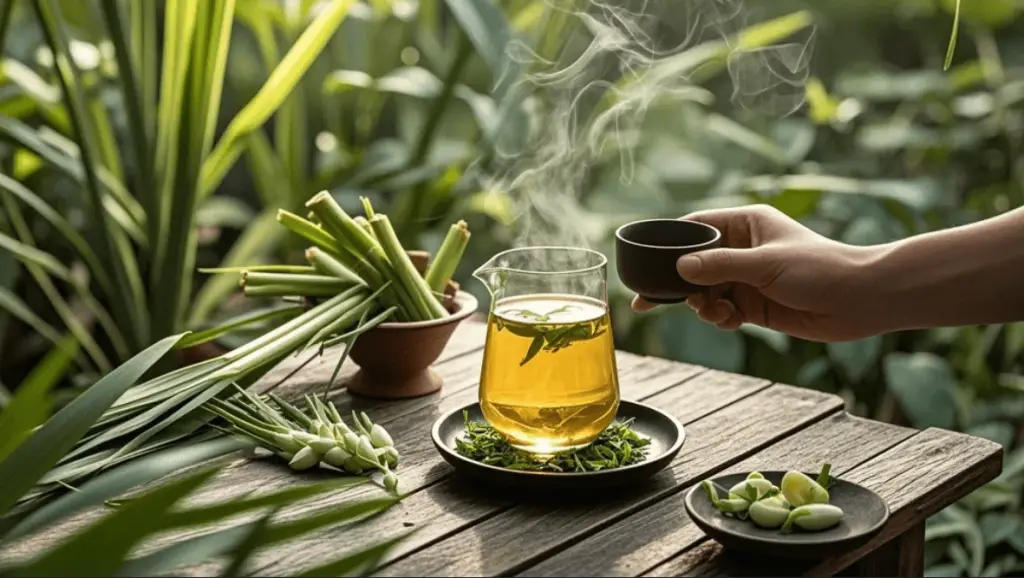
Lemongrass Essential Oil
Use lemongrass essential oil in aromatherapy or dilute it with a carrier oil for topical application. It can also be added to homemade cleaning products for its antimicrobial properties.
Lemongrass Skincare
Create a DIY facial toner by steeping lemongrass in water and applying it to your skin with a cotton pad. Its astringent properties help tighten pores and refresh the skin.
Precautions and Considerations
While lemongrass is generally safe for most people, there are a few precautions to keep in mind:
Allergies: Some individuals may be allergic to lemongrass. If you experience any adverse reactions, discontinue use and consult a healthcare provider.
Pregnancy and Breastfeeding: Pregnant and breastfeeding women should consult their doctor before consuming large amounts of lemongrass.
Medication Interactions: Lemongrass may interact with certain medications, such as blood thinners and diabetes drugs. Consult a healthcare provider if you are taking any medications.
Conclusion
Lemongrass is a versatile and flavorful herb that offers numerous health benefits. From boosting immunity and supporting digestion to promoting heart health and reducing stress, lemongrass is a valuable addition to any diet. Its widespread use in Southeast Asian cuisine highlights its cultural and culinary significance, while its medicinal properties make it a powerful natural remedy.
By incorporating lemongrass into your meals and daily routine, you can enjoy its refreshing flavor and reap its many health benefits. Whether you sip it as a tea, use it in cooking, or apply it topically, lemongrass is a true gift from nature that continues to enrich lives across the globe.
wendy
|
2025.03.13


