Turmeric, a golden-hued spice derived from the root of the Curcuma longa plant, has been a cornerstone of Southeast Asian medicine for thousands of years. Revered for its vibrant color, distinctive flavor, and potent medicinal properties, turmeric is not only a culinary staple but also a revered herbal remedy. This article explores the healing properties of turmeric, its historical significance in Southeast Asian medicine, and its modern applications in promoting health and well-being.
Historical Significance of Turmeric in Southeast Asia
Turmeric's use in Southeast Asia dates back to ancient times, where it was deeply intertwined with cultural, religious, and medicinal practices. In countries like Indonesia, Malaysia, Thailand, and Vietnam, turmeric has been used for centuries as a natural remedy for a wide range of ailments. Its bright yellow-orange color symbolizes purity, prosperity, and vitality, making it a common ingredient in religious ceremonies and traditional rituals.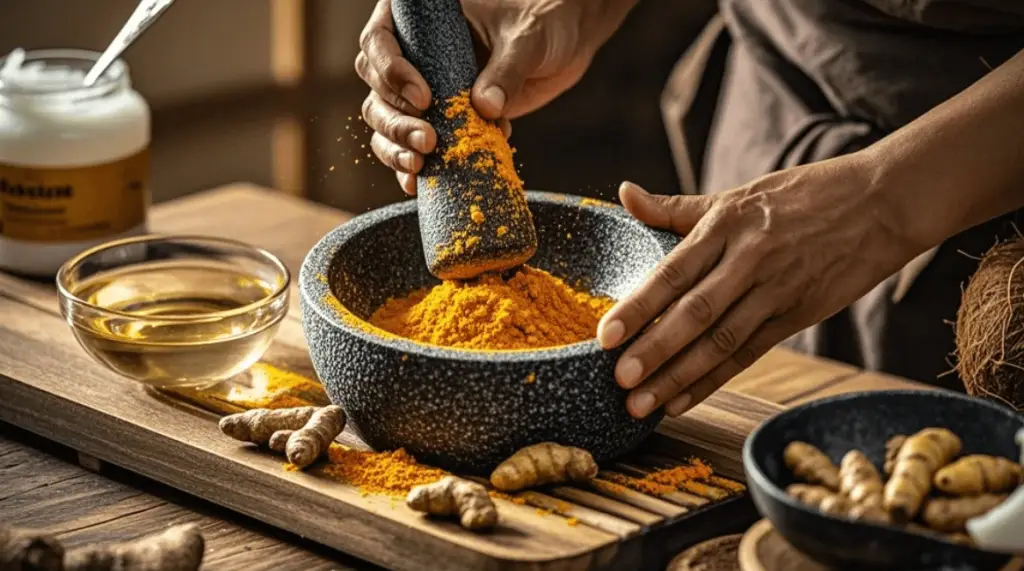
In traditional medicine systems such as Ayurveda and Traditional Chinese Medicine (TCM), turmeric is considered a balancing agent that harmonizes the body's energies. It is often referred to as "the spice of life" due to its ability to promote overall health and vitality. Southeast Asian healers have long used turmeric to treat conditions such as inflammation, digestive disorders, skin ailments, and infections. Its versatility and efficacy have cemented its place as one of the most important medicinal herbs in the region.
The Science Behind Turmeric's Healing Properties
The primary bioactive compound in turmeric is curcumin, a polyphenol that gives the spice its vibrant color and many of its health benefits. Curcumin is known for its potent anti-inflammatory, antioxidant, antimicrobial, and anticancer properties. These properties are supported by modern scientific research, which has validated many of the traditional uses of turmeric.
Anti-Inflammatory Effects
Chronic inflammation is a root cause of many diseases, including arthritis, heart disease, and diabetes. Curcumin has been shown to inhibit the activity of inflammatory enzymes and cytokines, reducing inflammation at the molecular level. In Southeast Asian medicine, turmeric is commonly used to treat inflammatory conditions such as arthritis and joint pain. Traditional remedies include applying turmeric paste topically or consuming it as a tea.
Antioxidant Properties
Oxidative stress, caused by an imbalance between free radicals and antioxidants in the body, contributes to aging and chronic diseases. Curcumin neutralizes free radicals and boosts the body's natural antioxidant defenses, protecting cells from damage. This makes turmeric a valuable tool for promoting skin health, reducing signs of aging, and preventing chronic illnesses.
Antimicrobial and Antiviral Activity
Turmeric has been used for centuries to treat infections and wounds. Its antimicrobial properties make it effective against bacteria, viruses, and fungi. Curcumin has been shown to inhibit the growth of harmful pathogens such as Escherichia coli and Staphylococcus aureus. During the COVID-19 pandemic, turmeric gained attention for its potential antiviral properties, with preliminary studies suggesting that curcumin may inhibit the replication of certain viruses, including SARS-CoV-2.
Digestive Health
Turmeric is widely used in Southeast Asia to support digestive health. It stimulates bile production, which aids in the digestion of fats and improves gut health. Traditional remedies for indigestion, bloating, and irritable bowel syndrome (IBS) often include turmeric consumed with black pepper, which enhances the absorption of curcumin.
Cancer Prevention and Support
Emerging research suggests that curcumin may play a role in cancer prevention and treatment. It has been shown to inhibit the growth of cancer cells and induce apoptosis (programmed cell death) in various types of cancer, including breast, prostate, and colon cancer. While turmeric is not a substitute for conventional cancer treatments, it may help reduce side effects and improve quality of life for patients.
Mental Health Benefits
Curcumin has been shown to cross the blood-brain barrier and exert neuroprotective effects. It may help alleviate symptoms of depression and anxiety by modulating neurotransmitters and reducing inflammation in the brain. In Southeast Asia, turmeric milk, or "golden milk," is a popular remedy for stress and mental fatigue.
Traditional Uses of Turmeric in Southeast Asian Medicine
In Southeast Asia, turmeric is used in a variety of traditional remedies and practices. Here are some of the most common applications:
Topical Applications
Turmeric paste is often applied to the skin to treat wounds, cuts, and infections. Its antimicrobial and anti-inflammatory properties help promote healing and reduce the risk of scarring. Turmeric is also used in traditional face masks to brighten the complexion and treat acne.
Turmeric Tea
Turmeric tea is a popular remedy for colds, flu, and respiratory infections. It is often combined with ginger, honey, and lemon to enhance its healing properties. This soothing drink is believed to boost immunity and alleviate symptoms of illness.
Golden Milk
Golden milk, made with turmeric, milk, and spices such as cinnamon and black pepper, is a traditional bedtime drink in Southeast Asia. It is believed to promote relaxation, improve sleep quality, and support overall health.
Culinary Uses
Turmeric is a key ingredient in many Southeast Asian dishes, including curries, soups, and rice dishes. Its inclusion in daily meals ensures that people receive a steady dose of its health benefits.
Modern Applications and Supplements
With the growing interest in natural remedies, turmeric has gained popularity worldwide. It is now available in various forms, including capsules, powders, extracts, and teas. However, it is important to choose high-quality products that contain standardized amounts of curcumin to ensure efficacy.
In Southeast Asia, turmeric is still widely used in its traditional forms, such as fresh rhizomes, dried powder, and teas. However, modern supplements offer a convenient alternative for those seeking to incorporate turmeric into their daily routine. When using turmeric supplements, it is advisable to consult with a healthcare provider, especially if you are taking other medications or have underlying health conditions.
Challenges and Considerations
While turmeric is generally safe for most people, there are a few considerations to keep in mind:
Bioavailability
Curcumin has low bioavailability, meaning that it is poorly absorbed by the body. To enhance absorption, it is often combined with black pepper, which contains piperine, a compound that increases curcumin's bioavailability by up to 2000%.
Dosage
The optimal dosage of turmeric depends on the individual and the condition being treated. It is important to follow recommended guidelines and consult with a healthcare provider before starting any new supplement regimen.
Potential Interactions
Turmeric may interact with certain medications, including blood thinners and diabetes drugs. It is important to consult with a healthcare provider if you are taking any medications or have underlying health conditions.
Conclusion
Turmeric's healing properties have been recognized and utilized in Southeast Asian medicine for centuries. Its anti-inflammatory, antioxidant, antimicrobial, and anticancer effects make it a versatile and powerful natural remedy. As modern research continues to uncover the science behind turmeric's benefits, this ancient spice is gaining renewed attention as a valuable tool for promoting health and well-being.
Whether used in traditional remedies or modern supplements, turmeric offers a holistic approach to health that aligns with the principles of Southeast Asian medicine. By incorporating turmeric into your diet and lifestyle, you can harness its healing properties and support your body's natural ability to heal and thrive. From its vibrant color to its profound health benefits, turmeric truly is a gift from nature that continues to enrich lives across the globe.
mike
|
2025.03.13


