Southeast Asia is a region rich in biodiversity, offering a wide array of plant-based protein sources that are not only nutritious but also integral to the local cuisine. As the global trend towards plant-based diets continues to grow, Southeast Asia’s traditional foods provide a wealth of options for those seeking to reduce their meat consumption. Here are some of the best plant-based protein sources in Southeast Asia.
1. Tempeh
Origin: Indonesia
Nutritional Profile: Tempeh is a fermented soybean product that is high in protein, fiber, and probiotics. A 100-gram serving of tempeh contains approximately 19 grams of protein.
Culinary Uses: Tempeh is versatile and can be used in a variety of dishes, including stir-fries, soups, and salads. It has a firm texture and a nutty flavor, making it a popular meat substitute.
2. Tofu
Origin: China (widely used across Southeast Asia)
Nutritional Profile: Tofu, made from coagulated soy milk, is a rich source of protein, iron, and calcium. A 100-gram serving of tofu contains about 8 grams of protein.
Culinary Uses: Tofu can be used in both savory and sweet dishes. It can be grilled, fried, steamed, or added to soups and stir-fries. Its mild flavor allows it to absorb the flavors of the ingredients it’s cooked with.
3. Edamame
Origin: East Asia (widely consumed in Southeast Asia)
Nutritional Profile: Edamame are young soybeans that are harvested before they harden. They are high in protein, fiber, and essential vitamins and minerals. A 100-gram serving of edamame contains about 11 grams of protein.
Culinary Uses: Edamame can be boiled or steamed and served as a snack or appetizer. They can also be added to salads, stir-fries, and soups.
4. Lentils
Origin: Widely cultivated in Southeast Asia
Nutritional Profile: Lentils are a great source of plant-based protein, fiber, and complex carbohydrates. A 100-gram serving of cooked lentils contains about 9 grams of protein.
Culinary Uses: Lentils can be used in soups, stews, curries, and salads. They are a staple in many Southeast Asian cuisines, particularly in Indian-influenced dishes.
5. Chickpeas
Origin: Middle East (widely used in Southeast Asia)
Nutritional Profile: Chickpeas, also known as garbanzo beans, are high in protein, fiber, and essential vitamins and minerals. A 100-gram serving of cooked chickpeas contains about 9 grams of protein.
Culinary Uses: Chickpeas can be used in a variety of dishes, including curries, salads, and stews. They can also be ground into flour and used to make flatbreads and snacks.
6. Mung Beans
Origin: Southeast Asia
Nutritional Profile: Mung beans are a rich source of protein, fiber, and antioxidants. A 100-gram serving of cooked mung beans contains about 7 grams of protein.
Culinary Uses: Mung beans are commonly used in soups, stews, and desserts. They can also be sprouted and used in salads and stir-fries.
7. Jackfruit
Origin: Southeast Asia
Nutritional Profile: Jackfruit is a unique plant-based protein source that is also high in fiber and vitamins. A 100-gram serving of jackfruit contains about 2 grams of protein.
Culinary Uses: Jackfruit has a meaty texture that makes it a popular meat substitute in vegetarian and vegan dishes. It can be used in curries, stews, and even as a pulled pork alternative.
8. Seaweed
Origin: Coastal regions of Southeast Asia
Nutritional Profile: Seaweed is a nutrient-dense food that is high in protein, vitamins, and minerals. A 100-gram serving of dried seaweed contains about 6 grams of protein.
Culinary Uses: Seaweed is commonly used in soups, salads, and sushi. It can also be used as a seasoning or garnish.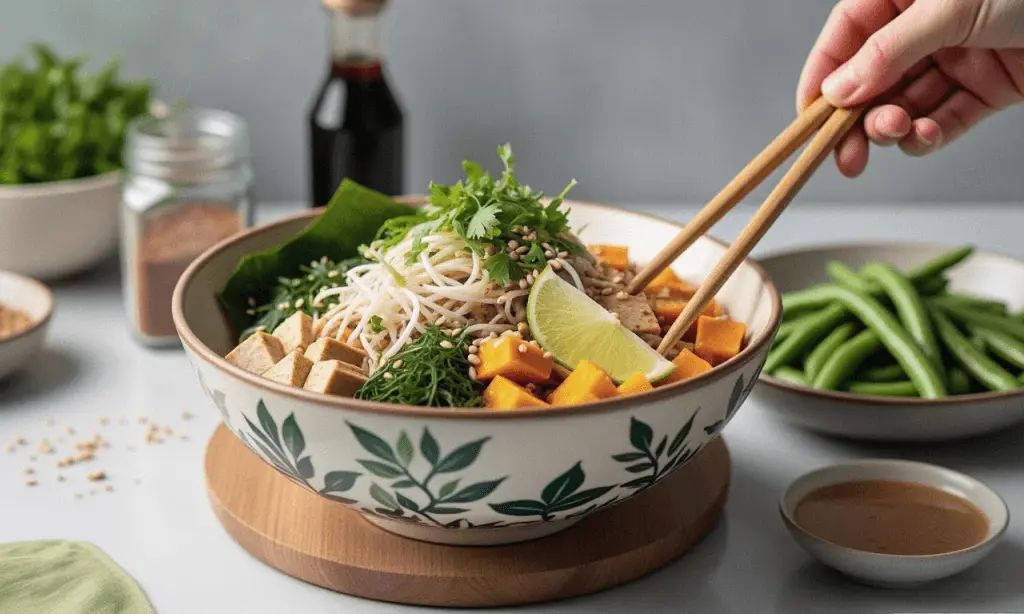
Conclusion
Southeast Asia offers a diverse range of plant-based protein sources that are not only nutritious but also delicious. Incorporating these foods into your diet can help you meet your protein needs while enjoying the rich flavors and culinary traditions of the region. Whether you’re a vegetarian, vegan, or simply looking to reduce your meat consumption, these plant-based protein sources are a great addition to any diet.
alice
|
2025.03.13


