
The Benefits of Forest Bathing in Southeast Asia’s Lush Jungles
Forest bathing, or Shinrin-yoku, is a Japanese practice that involves immersing oneself in nature to promote physical and mental well-being. In Southeast Asia, where lush jungles and dense forests abound, forest bathing offers a unique opportunity to reconnect with nature and reap its numerous benefits. This article explores the benefits of forest bathing in Southeast Asia’s jungles and how this practice can enhance your overall health.
What is Forest Bathing?
Forest bathing is not about hiking or exercising but rather about slowing down and engaging all your senses to experience the natural environment. It involves mindful walking, deep breathing, and simply being present in the forest. The practice is rooted in the idea that spending time in nature can reduce stress, improve mood, and boost overall health.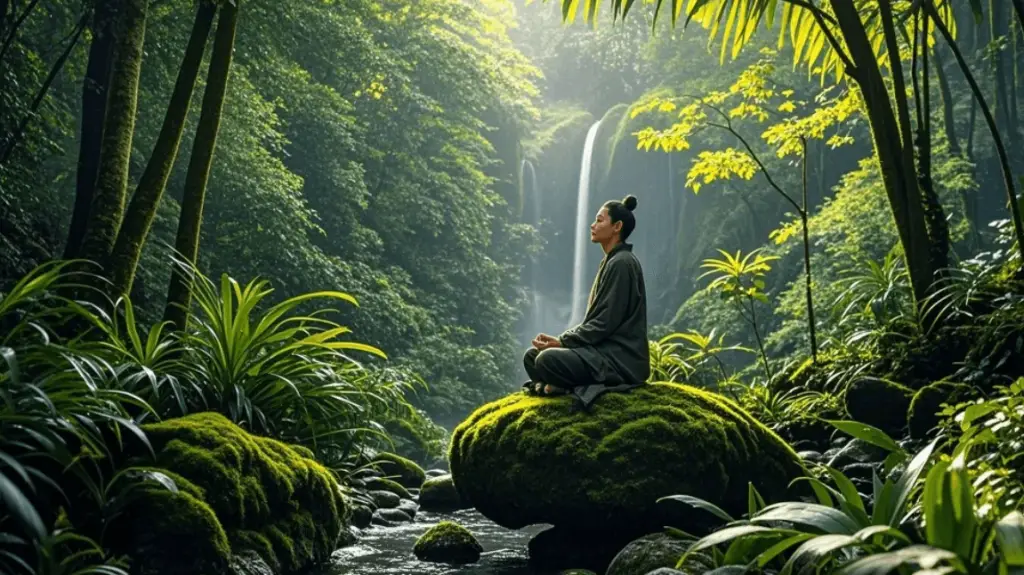
Benefits of Forest Bathing in Southeast Asia’s Jungles
Stress Reduction
Natural Calm: The serene atmosphere of Southeast Asia’s jungles, with their towering trees, flowing streams, and diverse wildlife, creates a calming environment. The sounds of birds chirping, leaves rustling, and water flowing have a soothing effect on the mind.
Lower Cortisol Levels: Studies have shown that spending time in nature reduces cortisol levels, the hormone associated with stress. Forest bathing helps lower stress and promotes relaxation.
Improved Mental Health
Reduced Anxiety and Depression: The practice of forest bathing has been linked to reduced symptoms of anxiety and depression. The natural environment helps clear the mind and fosters a sense of peace and well-being.
Enhanced Mood: Exposure to nature increases the production of serotonin and endorphins, the body’s natural mood lifters. This helps improve overall mood and emotional resilience.
Boosted Immune System
Phytoncides: Trees release phytoncides, natural compounds that have antimicrobial properties. Breathing in these compounds during forest bathing can boost the immune system and improve overall health.
Increased NK Cells: Studies have shown that forest bathing increases the activity of natural killer (NK) cells, which play a crucial role in the body’s defense against infections and cancer.
Improved Physical Health
Lower Blood Pressure: Spending time in nature has been shown to lower blood pressure and reduce the risk of cardiovascular diseases. The relaxed state induced by forest bathing helps improve heart health.
Enhanced Respiratory Function: The fresh, clean air in the jungle is rich in oxygen and free from pollutants. Deep breathing during forest bathing improves respiratory function and lung capacity.
Connection to Nature
Mindfulness and Presence: Forest bathing encourages mindfulness and presence. By focusing on the sights, sounds, and smells of the jungle, you become more attuned to the natural world and develop a deeper connection to it.
Environmental Awareness: Spending time in the jungle fosters a greater appreciation for nature and the importance of conservation. This awareness can inspire more sustainable lifestyle choices.
How to Practice Forest Bathing in Southeast Asia’s Jungles
Choose a Location
National Parks: Southeast Asia is home to numerous national parks and nature reserves, such as Taman Negara in Malaysia, Khao Yai in Thailand, and Gunung Leuser in Indonesia. These parks offer pristine jungles perfect for forest bathing.
Guided Tours: Consider joining a guided forest bathing tour. Many eco-tourism companies in Southeast Asia offer guided experiences that include mindfulness exercises and nature immersion.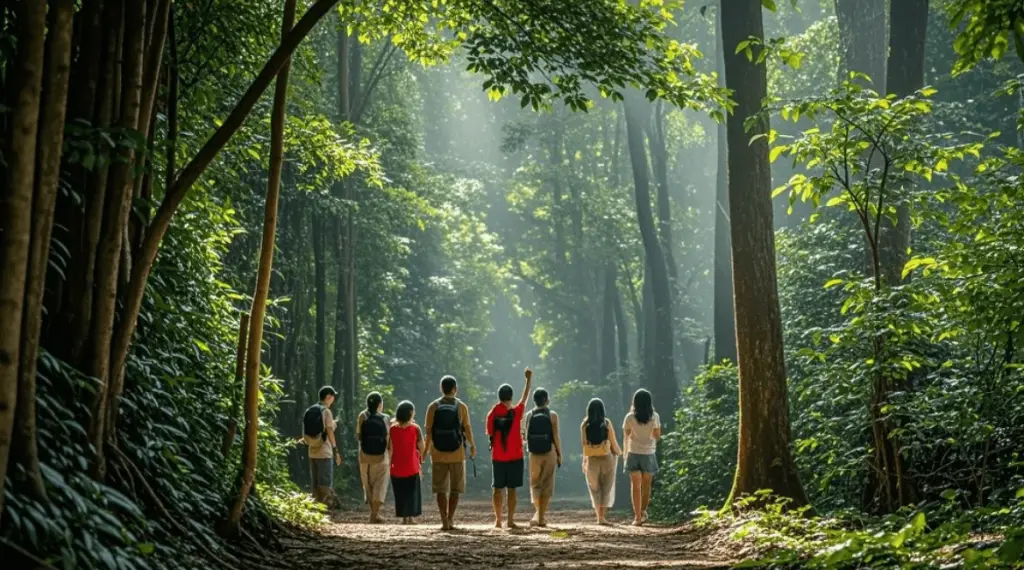
Engage Your Senses
Sight: Take in the vibrant greenery, the play of light through the canopy, and the intricate details of plants and wildlife.
Sound: Listen to the sounds of the jungle, such as bird calls, rustling leaves, and flowing water.
Smell: Breathe in the earthy scents of the forest, including the fragrance of flowers, leaves, and soil.
Touch: Feel the texture of tree bark, leaves, and moss. Walk barefoot on the forest floor to connect with the earth.
Practice Mindfulness
Slow Walking: Walk slowly and deliberately, paying attention to each step and the sensations in your body.
Deep Breathing: Practice deep breathing exercises. Inhale the fresh forest air and exhale slowly, allowing the natural surroundings to enhance your sense of calm.
Meditation: Find a quiet spot to sit and meditate. Focus on your breath and the sounds of the jungle to deepen your connection to nature.
Disconnect from Technology
Digital Detox: Leave your phone and other electronic devices behind. Disconnecting from technology allows you to fully immerse yourself in the natural environment.
Present Moment: Focus on the present moment and let go of distractions. Allow yourself to be fully present in the jungle.
Conclusion
Forest bathing in Southeast Asia’s lush jungles offers numerous benefits for physical and mental well-being. By reducing stress, improving mental health, boosting the immune system, enhancing physical health, and fostering a connection to nature, this practice provides a holistic approach to wellness. Whether you’re exploring a national park, joining a guided tour, or simply spending time in a local forest, forest bathing is a powerful way to reconnect with nature and enhance your overall health. Embrace the healing power of Southeast Asia’s jungles and experience the transformative benefits of forest bathing.


