
How to Stay Hydrated in Tropical Climates: Tips from the Region
Southeast Asia is a region known for its tropical climate, characterized by high temperatures, intense humidity, and abundant rainfall. While these conditions create lush landscapes and vibrant ecosystems, they also pose significant challenges to maintaining proper hydration. Dehydration is a common issue in tropical climates, as the body loses fluids more rapidly through sweating and increased respiration. For residents and travelers alike, staying hydrated is essential for maintaining energy levels, supporting physical health, and preventing heat-related illnesses. This article explores practical tips and strategies for staying hydrated in tropical climates, with a focus on Southeast Asia, and highlights the region's unique approaches to hydration.
Understanding Hydration in Tropical Climates
Hydration is the process of maintaining adequate fluid levels in the body to support vital functions such as temperature regulation, nutrient transport, and waste elimination. In tropical climates, the combination of high temperatures and humidity accelerates fluid loss through sweating, making it more challenging to stay hydrated. Even mild dehydration can lead to symptoms such as fatigue, headaches, dizziness, and dry skin, while severe dehydration can result in heat exhaustion or heatstroke.
In Southeast Asia, where outdoor activities, travel, and work are common, staying hydrated is particularly important. The region's diverse cultures and traditions also offer unique insights into effective hydration practices, from traditional beverages to dietary habits.
The Importance of Water: The Foundation of Hydration
Water is the most essential component of hydration, and drinking enough clean, safe water is the first step to staying hydrated in tropical climates. Here are some tips for ensuring adequate water intake:
Drink Regularly: Don't wait until you feel thirsty to drink water. Thirst is a sign that your body is already dehydrated. Aim to drink water consistently throughout the day, especially during and after physical activity.
Carry a Reusable Water Bottle: Always have a reusable water bottle with you to make it easy to drink water on the go. Many Southeast Asian countries have refill stations or shops where you can replenish your bottle.
Choose Safe Water Sources: In some areas, tap water may not be safe to drink. Opt for bottled water or use water purification methods such as boiling, filtering, or UV treatment.
Monitor Your Urine: A simple way to check your hydration status is to observe the color of your urine. Pale yellow indicates proper hydration, while dark yellow or amber suggests dehydration.
Traditional Beverages: Hydration with a Cultural Twist
Southeast Asia is home to a variety of traditional beverages that not only hydrate but also offer unique flavors and health benefits. These drinks are often made from natural ingredients and are deeply rooted in local culture. Here are some popular options:
Coconut Water: Known as "nature's sports drink," coconut water is rich in electrolytes such as potassium, magnesium, and sodium, making it an excellent choice for rehydration. It is widely available in Southeast Asia and is often consumed fresh from the coconut.
Herbal Teas: Herbal teas, such as lemongrass tea, ginger tea, and pandan tea, are popular in the region. These teas are caffeine-free and can be enjoyed hot or cold, providing hydration along with soothing properties.
Fruit Juices and Smoothies: Fresh fruit juices and smoothies made from tropical fruits like mango, pineapple, and watermelon are not only refreshing but also rich in vitamins and minerals. They are a delicious way to stay hydrated while enjoying the flavors of the region.
Rice Water: In some cultures, the water left after cooking rice is consumed as a hydrating and nutritious drink. It is believed to have cooling properties and is often flavored with a pinch of salt or sugar.
Hydrating Foods: Eating Your Way to Hydration
In addition to beverages, certain foods can contribute to hydration, especially in tropical climates where fresh produce is abundant. Here are some hydrating foods commonly found in Southeast Asia:
Water-Rich Fruits: Fruits such as watermelon, papaya, pineapple, and dragon fruit have high water content and are perfect for staying hydrated. They are often sold by street vendors and are a popular snack in the region.
Vegetables: Cucumbers, lettuce, and tomatoes are examples of vegetables with high water content. They are commonly used in salads, soups, and traditional dishes, providing both hydration and nutrition.
Soups and Broths: Light soups and broths, such as Vietnamese pho or Thai tom yum, are not only hydrating but also packed with flavor and nutrients. They are often consumed as part of a meal or as a standalone dish.
Coconut-Based Dishes: Dishes made with coconut milk, such as curries and desserts, provide hydration along with healthy fats and electrolytes. Coconut milk is a staple ingredient in many Southeast Asian cuisines.
Practical Tips for Staying Hydrated in Southeast Asia
Staying hydrated in tropical climates requires a combination of mindful habits and practical strategies. Here are some tips tailored to the Southeast Asian context:
Start Your Day with Water: Begin your day by drinking a glass of water to replenish fluids lost overnight. Adding a slice of lemon or lime can enhance the flavor and provide a boost of vitamin C.
Hydrate Before, During, and After Exercise: If you're engaging in outdoor activities or exercise, drink water before, during, and after to replace lost fluids. Consider electrolyte drinks for intense or prolonged activities.
Avoid Excessive Alcohol and Caffeine: Alcohol and caffeine can contribute to dehydration, so limit your intake, especially in hot weather. Opt for hydrating alternatives like herbal teas or fruit-infused water.
Dress Appropriately: Wear lightweight, breathable clothing made from natural fibers like cotton to help regulate body temperature and reduce sweating. A wide-brimmed hat and sunglasses can also provide protection from the sun.
Seek Shade and Cool Environments: Whenever possible, stay in shaded or air-conditioned areas during the hottest parts of the day. This reduces fluid loss and helps maintain hydration.
Use Oral Rehydration Solutions (ORS): In cases of severe dehydration, such as after diarrhea or excessive sweating, oral rehydration solutions can help restore electrolyte balance. These solutions are widely available in pharmacies and are recommended by health organizations.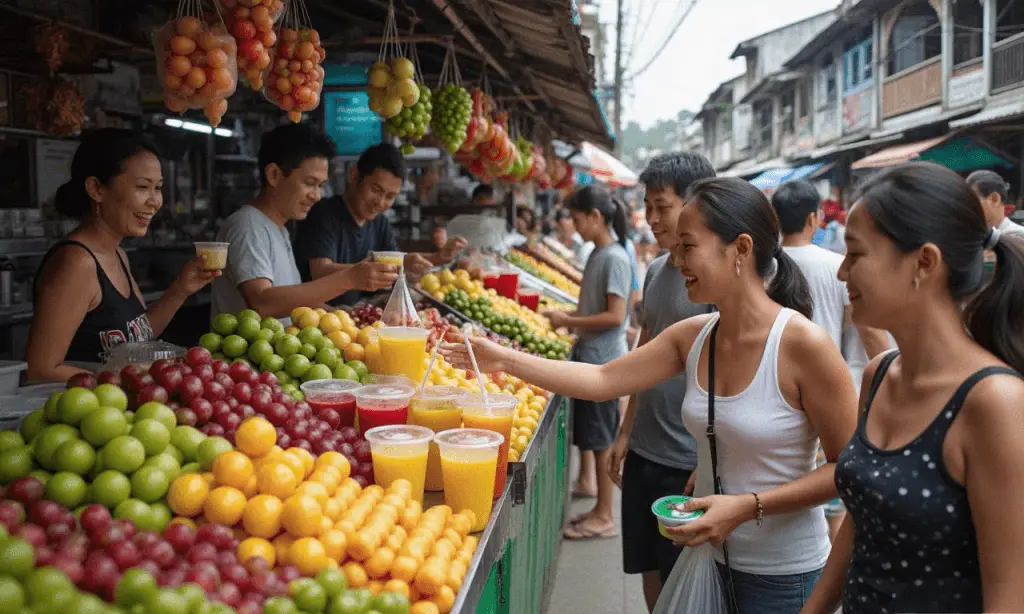
Cultural Practices and Hydration Wisdom
Southeast Asia's rich cultural heritage offers valuable insights into staying hydrated in tropical climates. Traditional practices often emphasize balance and harmony with nature, which can be applied to modern hydration strategies. For example:
Ayurvedic Principles: In some parts of Southeast Asia, Ayurvedic principles are followed to maintain hydration and overall health. This includes drinking warm water with herbs like ginger or turmeric to stimulate digestion and hydration.
Cooling Foods and Drinks: Many traditional diets include cooling foods and drinks that help regulate body temperature and prevent overheating. Examples include cucumber salads, coconut water, and herbal infusions.
Community and Social Hydration: Sharing drinks and meals is a common practice in Southeast Asia, fostering a sense of community while promoting hydration. Street vendors and markets often offer fresh, hydrating options that are accessible to all.
Conclusion
Staying hydrated in tropical climates like Southeast Asia is essential for maintaining health, energy, and well-being. By incorporating a combination of water, traditional beverages, hydrating foods, and practical habits, you can effectively manage your fluid intake and enjoy all that the region has to offer. Whether you're a resident or a traveler, embracing these hydration tips will help you stay refreshed and resilient in the face of the tropical heat. With its rich cultural traditions and abundance of natural resources, Southeast Asia provides a unique and inspiring approach to staying hydrated in one of the world's most vibrant regions.
alice
|
2025.03.13


