
How to Protect Yourself from Mosquito-Borne Diseases in the Tropics
Southeast Asia, with its tropical climate, lush landscapes, and abundant water sources, is a region of unparalleled natural beauty. However, these same conditions also make it a hotspot for mosquito-borne diseases. Mosquitoes thrive in warm, humid environments, and their presence poses significant health risks to both residents and travelers. Diseases such as dengue fever, malaria, chikungunya, and Zika virus are prevalent in the region, and their impact can range from mild discomfort to life-threatening complications. This article explores how to protect yourself from mosquito-borne diseases in the tropics, with a focus on Southeast Asia, and provides practical strategies to reduce the risk of infection.
Understanding Mosquito-Borne Diseases in Southeast Asia
Mosquito-borne diseases are illnesses transmitted to humans through the bites of infected mosquitoes. In Southeast Asia, the most common mosquito-borne diseases include:
Dengue Fever: Dengue is a viral infection transmitted by the Aedes mosquito, primarily Aedes aegypti. Symptoms include high fever, severe headache, pain behind the eyes, joint and muscle pain, rash, and mild bleeding. In severe cases, dengue can lead to dengue hemorrhagic fever, which can be fatal.
Malaria: Malaria is caused by the Plasmodium parasite and transmitted by the Anopheles mosquito. Symptoms include fever, chills, headache, nausea, and vomiting. If left untreated, malaria can lead to severe complications and death.
Chikungunya: Chikungunya is a viral disease transmitted by the Aedes mosquito. Symptoms include fever, severe joint pain, muscle pain, headache, and rash. While rarely fatal, the joint pain can be debilitating and last for months.
Zika Virus: Zika is a viral disease transmitted by the Aedes mosquito. Symptoms are generally mild and include fever, rash, joint pain, and conjunctivitis. However, Zika virus infection during pregnancy can cause severe birth defects.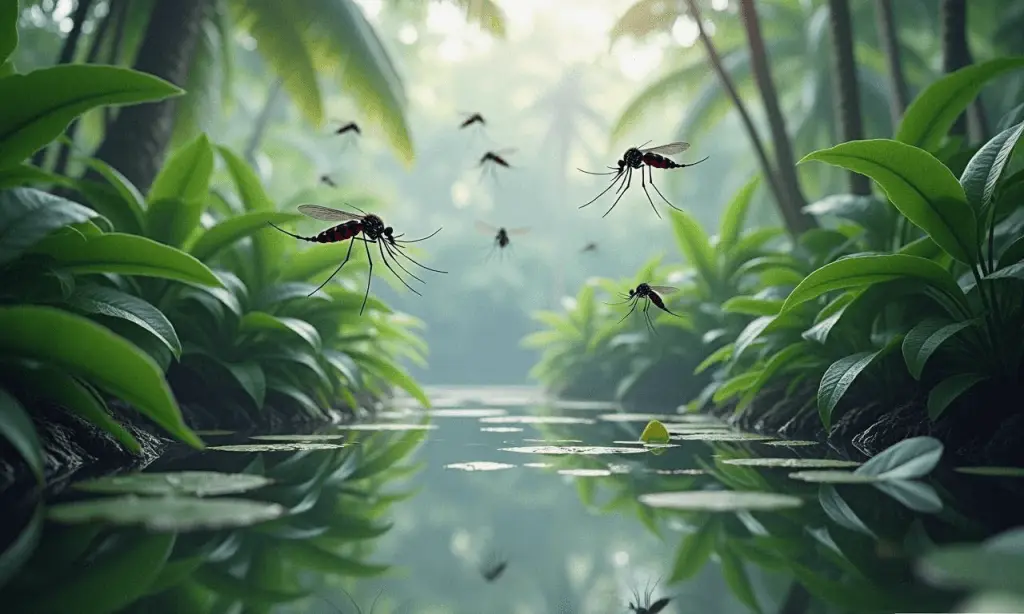
The Role of Mosquitoes in Disease Transmission
Mosquitoes are highly effective vectors for disease transmission due to their feeding habits and reproductive cycles. Female mosquitoes require blood meals to produce eggs, and in the process of feeding, they can transmit pathogens from one host to another. The Aedes mosquito, which is active during the day, is the primary vector for dengue, chikungunya, and Zika virus. The Anopheles mosquito, which is active during the night, is the primary vector for malaria.
In Southeast Asia, the prevalence of mosquito-borne diseases is influenced by factors such as climate, urbanization, and human behavior. The region's tropical climate provides ideal conditions for mosquito breeding, while rapid urbanization and inadequate waste management create breeding sites in stagnant water. Human activities, such as outdoor work and travel, also increase exposure to mosquito bites.
Strategies for Protecting Yourself from Mosquito-Borne Diseases
Protecting yourself from mosquito-borne diseases requires a combination of personal protective measures, environmental management, and community efforts. Here are some key strategies:
Use Insect Repellent: Apply insect repellent containing DEET, picaridin, or oil of lemon eucalyptus to exposed skin and clothing. Reapply as directed, especially after sweating or swimming. For added protection, treat clothing with permethrin, an insect repellent that binds to fabric.
Wear Protective Clothing: Wear long-sleeved shirts, long pants, socks, and closed-toe shoes to minimize skin exposure. Light-colored clothing is less attractive to mosquitoes and can help you spot them more easily.
Use Mosquito Nets: Sleep under a mosquito net, especially if you are in an area with a high risk of malaria. Ensure the net is properly tucked under the mattress and free of holes. Insecticide-treated nets provide additional protection.
Install Screens and Seal Entry Points: Use screens on windows and doors to keep mosquitoes out of your home. Repair any holes or gaps in screens and seal entry points to prevent mosquitoes from entering.
Eliminate Breeding Sites: Mosquitoes breed in stagnant water, so eliminate potential breeding sites around your home. Empty, cover, or treat containers that collect water, such as flower pots, buckets, and tires. Clean gutters and drains regularly to prevent water accumulation.
Use Indoor Residual Spraying: Indoor residual spraying (IRS) involves applying insecticides to the walls and ceilings of homes to kill mosquitoes that come into contact with the surfaces. IRS is particularly effective in areas with a high risk of malaria.
Stay Indoors During Peak Mosquito Activity: Aedes mosquitoes are most active during the early morning and late afternoon, while Anopheles mosquitoes are most active at night. Limit outdoor activities during these times to reduce the risk of bites.
Seek Medical Attention Promptly: If you experience symptoms of a mosquito-borne disease, such as fever, rash, or joint pain, seek medical attention promptly. Early diagnosis and treatment can prevent complications and reduce the duration of illness.
Community Efforts to Control Mosquito Populations
Community efforts are essential for controlling mosquito populations and reducing the spread of mosquito-borne diseases. Here are some ways communities can contribute:
Public Education and Awareness: Educate community members about the risks of mosquito-borne diseases and the importance of personal protective measures. Use posters, flyers, and social media to spread the message.
Community Clean-Up Campaigns: Organize clean-up campaigns to remove trash and stagnant water from public spaces. Encourage residents to maintain clean and dry environments around their homes.
Collaboration with Local Authorities: Work with local authorities to implement mosquito control measures, such as larviciding (treating water sources with larvicides) and fogging (spraying insecticides to kill adult mosquitoes).
Monitoring and Surveillance: Establish mosquito surveillance programs to monitor mosquito populations and detect outbreaks of mosquito-borne diseases. Use the data to target control efforts and allocate resources effectively.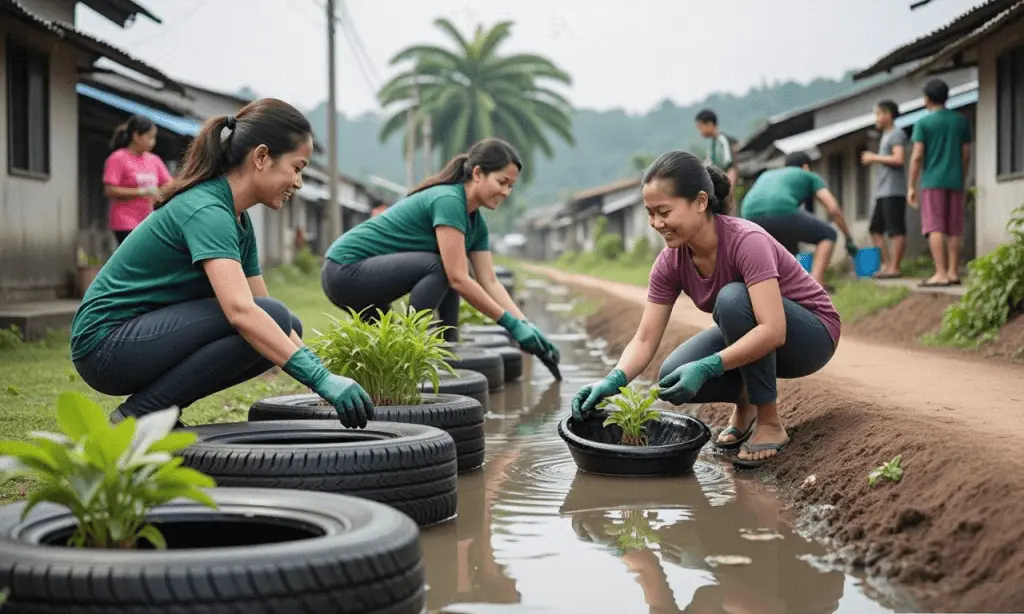
The Role of Governments and Organizations
Governments and organizations play a critical role in combating mosquito-borne diseases in Southeast Asia. Here are some key initiatives:
Vaccination Programs: Develop and implement vaccination programs for diseases like dengue fever. The dengue vaccine, Dengvaxia, is available in some countries and can provide protection for individuals who have previously been infected with dengue.
Research and Development: Invest in research and development to improve mosquito control methods, develop new vaccines, and create more effective diagnostic tools.
International Collaboration: Collaborate with international organizations, such as the World Health Organization (WHO) and the Centers for Disease Control and Prevention (CDC), to share knowledge, resources, and best practices for mosquito control.
Policy and Regulation: Implement policies and regulations to improve waste management, urban planning, and water storage practices, reducing the availability of mosquito breeding sites.
Conclusion
Mosquito-borne diseases are a significant public health challenge in Southeast Asia, but with the right strategies, their impact can be minimized. By taking personal protective measures, eliminating breeding sites, and supporting community and government efforts, individuals can reduce their risk of infection and contribute to a healthier, safer environment. Whether you are a resident or a traveler in the region, staying informed and proactive is key to protecting yourself from mosquito-borne diseases. With collective action and continued vigilance, Southeast Asia can overcome the threat of these diseases and continue to thrive as a vibrant and dynamic region.


