
How to Make Herbal Teas for Relaxation and Healing
Herbal teas have been cherished for centuries as a natural way to promote relaxation, support healing, and enhance overall well-being. Unlike traditional teas made from the Camellia sinensis plant, herbal teas are crafted from a variety of dried flowers, leaves, seeds, and roots, each offering unique health benefits. This article explores the art of making herbal teas, focusing on their calming and therapeutic properties, and provides step-by-step instructions for creating your own blends at home.
The Benefits of Herbal Teas
Herbal teas are more than just comforting beverages; they are a gateway to better health. Here are some of the key benefits of incorporating herbal teas into your daily routine:
Promotes Relaxation
Many herbs, such as chamomile, lavender, and lemon balm, have natural calming properties that help reduce stress and anxiety. Drinking herbal tea before bed can improve sleep quality and promote relaxation.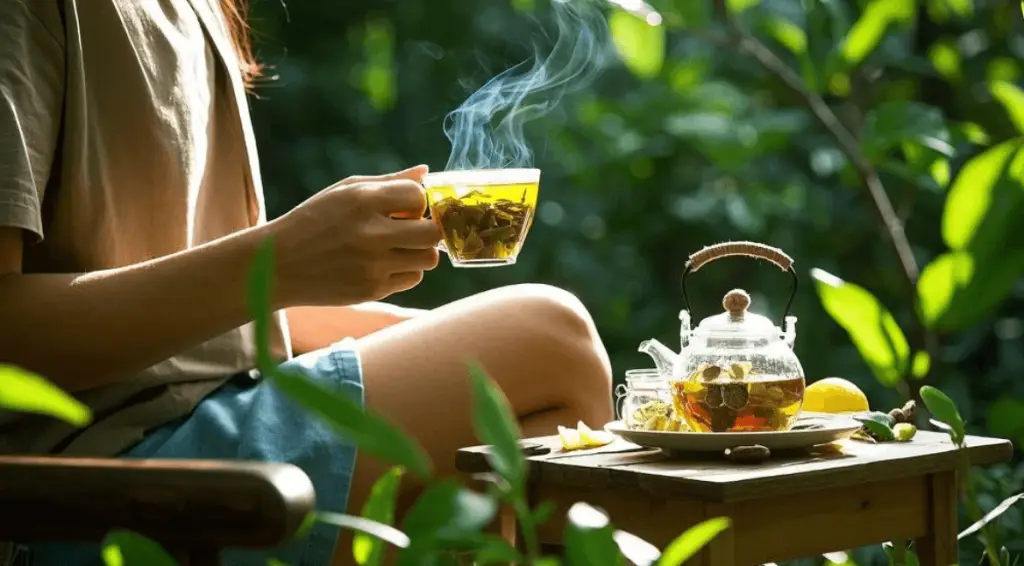
Supports Digestion
Herbs like peppermint, ginger, and fennel are known for their ability to soothe the digestive system, alleviate bloating, and improve gut health.
Boosts Immunity
Herbal teas made from echinacea, elderberry, and rose hips are rich in antioxidants and vitamins that strengthen the immune system and protect against infections.
Reduces Inflammation
Turmeric, ginger, and green tea are powerful anti-inflammatory herbs that can help reduce pain and inflammation in the body.
Detoxifies the Body
Dandelion root, nettle, and milk thistle are commonly used in herbal teas to support liver function and promote detoxification.
Improves Skin Health
Herbs like calendula, hibiscus, and rooibos are rich in antioxidants that promote healthy skin and combat signs of aging.
Essential Tools and Ingredients
Before you start making herbal teas, it’s important to have the right tools and ingredients on hand. Here’s what you’ll need:
Dried Herbs
Choose high-quality, organic dried herbs for the best flavor and health benefits. Popular options include chamomile, peppermint, lavender, ginger, and hibiscus.
Fresh Herbs
If you have access to fresh herbs, they can also be used to make tea. Fresh mint, lemon balm, and basil are excellent choices.
Tea Infuser or Strainer
A tea infuser or strainer is essential for steeping loose herbs. You can also use a muslin cloth or a reusable tea bag.
Hot Water
Use filtered water heated to the appropriate temperature for the herbs you’re using. Most herbal teas require water just below boiling (around 200°F or 93°C).
Optional Add-Ins
Enhance the flavor and health benefits of your tea with natural sweeteners like honey or stevia, a slice of lemon, or a cinnamon stick.
Step-by-Step Guide to Making Herbal Teas
Making herbal tea is a simple and enjoyable process. Follow these steps to create your own relaxing and healing blends:
Choose Your Herbs
Select herbs based on your desired health benefits. For relaxation, try chamomile, lavender, or lemon balm. For digestion, opt for peppermint, ginger, or fennel. For immunity, consider echinacea, elderberry, or rose hips.
Measure the Herbs
Use about 1-2 teaspoons of dried herbs or 1-2 tablespoons of fresh herbs per cup of water. Adjust the amount based on your taste preferences.
Prepare the Water
Heat water to just below boiling. Avoid using boiling water, as it can destroy the delicate flavors and nutrients in the herbs.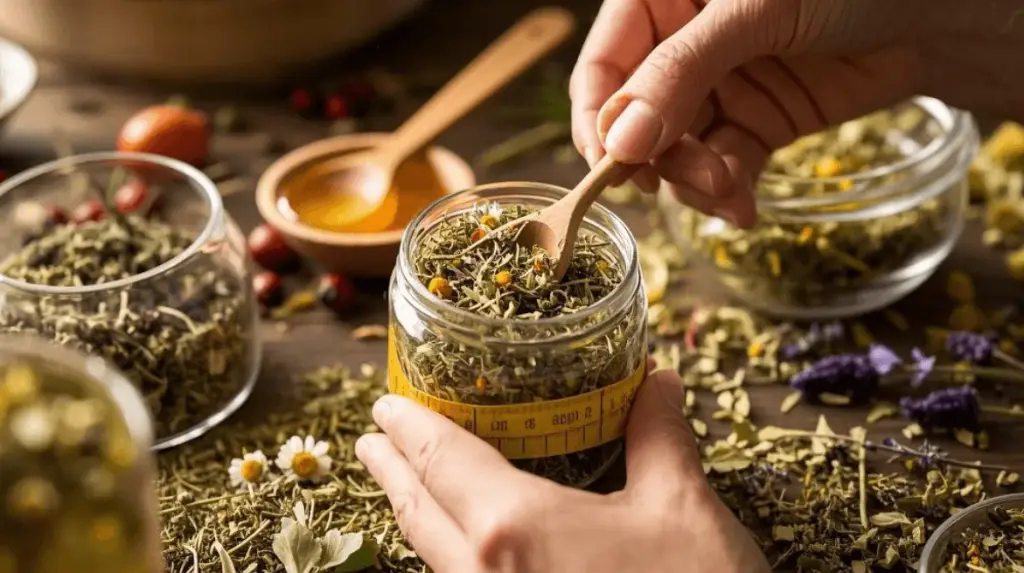
Steep the Herbs
Place the herbs in a tea infuser or directly in a teapot. Pour the hot water over the herbs and let them steep for 5-10 minutes. Cover the teapot or cup to retain the essential oils and aromas.
Strain and Serve
Remove the herbs using a strainer or infuser. Pour the tea into a cup and add any optional sweeteners or flavorings.
Enjoy
Sip your herbal tea slowly, savoring the flavors and aromas. Take this time to relax and unwind.
Popular Herbal Tea Recipes
Here are some simple and effective herbal tea recipes for relaxation and healing:
Chamomile-Lavender Tea (Relaxation)
1 teaspoon dried chamomile flowers
1/2 teaspoon dried lavender buds
1 cup hot water
Honey or lemon (optional)
Steep the chamomile and lavender in hot water for 5-7 minutes. Strain and add honey or lemon if desired.
Peppermint-Ginger Tea (Digestion)
1 teaspoon dried peppermint leaves
1/2 teaspoon dried ginger root
1 cup hot water
Honey (optional)
Steep the peppermint and ginger in hot water for 5-10 minutes. Strain and add honey if desired.
Echinacea-Elderberry Tea (Immunity)
1 teaspoon dried echinacea
1 teaspoon dried elderberries
1 cup hot water
Honey or cinnamon (optional)
Steep the echinacea and elderberries in hot water for 10 minutes. Strain and add honey or cinnamon if desired.
Turmeric-Ginger Tea (Anti-Inflammatory)
1/2 teaspoon dried turmeric root
1/2 teaspoon dried ginger root
1 cup hot water
Black pepper and honey (optional)
Steep the turmeric and ginger in hot water for 5-7 minutes. Add a pinch of black pepper to enhance absorption and honey for sweetness.
Hibiscus-Rose Hip Tea (Skin Health)
1 teaspoon dried hibiscus flowers
1 teaspoon dried rose hips
1 cup hot water
Honey or lemon (optional)
Steep the hibiscus and rose hips in hot water for 5-10 minutes. Strain and add honey or lemon if desired.
Tips for Brewing the Perfect Herbal Tea
Experiment with Blends: Combine different herbs to create unique flavors and health benefits. For example, mix chamomile and peppermint for a calming yet refreshing tea.
Store Herbs Properly: Keep dried herbs in airtight containers away from light and heat to preserve their potency.
Use Fresh Ingredients: Whenever possible, use fresh herbs for a more vibrant flavor and aroma.
Adjust Steeping Time: Longer steeping times result in stronger flavors and more potent health benefits, but be mindful not to over-steep bitter herbs like green tea or rosemary.
Conclusion
Herbal teas are a simple, natural, and effective way to promote relaxation and support healing. By understanding the properties of different herbs and mastering the art of tea-making, you can create personalized blends that cater to your specific needs. Whether you’re seeking stress relief, digestive support, or a boost to your immune system, there’s an herbal tea for every occasion.
So, gather your favorite herbs, heat some water, and take a moment to enjoy the soothing ritual of making and sipping herbal tea. Not only will you nourish your body, but you’ll also create a peaceful space for mindfulness and self-care. Cheers to your health and well-being!


