Southeast Asian cuisine is celebrated for its vibrant flavors, aromatic herbs, and diverse ingredients. However, some traditional dishes can be high in calories, sodium, and unhealthy fats. Fortunately, with a few mindful adjustments, you can enjoy your favorite Southeast Asian dishes in a healthier way without sacrificing taste. Here’s how to make healthier versions of some beloved Southeast Asian classics.
1. Pho (Vietnamese Noodle Soup)
Traditional Version: Pho is a flavorful broth made with beef bones, rice noodles, and various cuts of meat. It’s often served with a side of fresh herbs, bean sprouts, and lime.
Healthy Version:
Broth: Use lean cuts of meat or opt for a vegetable-based broth to reduce fat content. Simmer the broth with spices like star anise, cinnamon, and cloves for authentic flavor without the extra calories.
Noodles: Choose whole-grain rice noodles or zucchini noodles (zoodles) for added fiber and fewer carbs.
Toppings: Load up on fresh herbs, bean sprouts, and lime for added nutrients without extra calories. Skip the fried shallots and opt for a sprinkle of sesame seeds for crunch.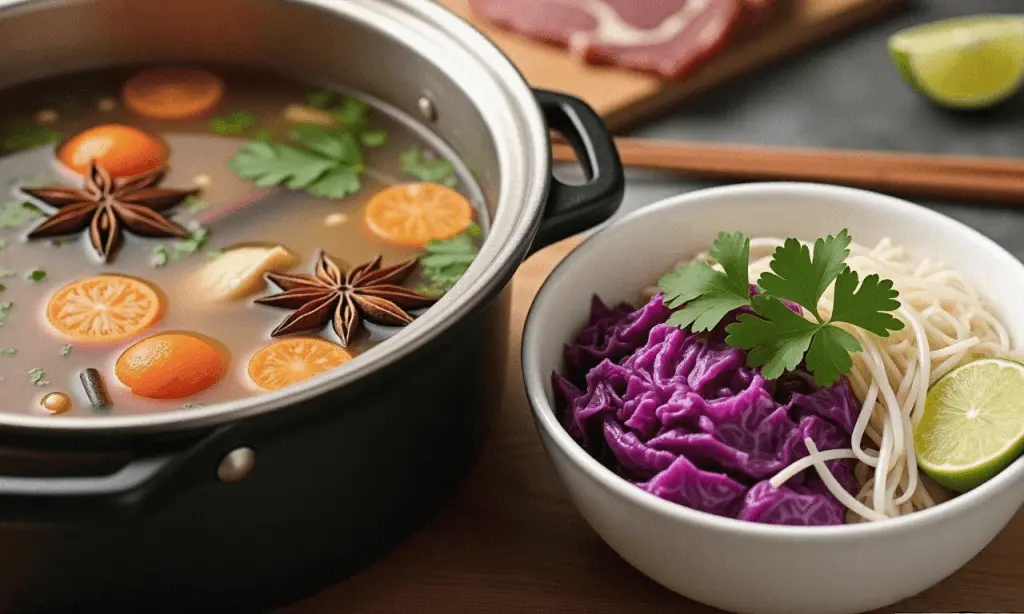
2. Pad Thai (Thai Stir-Fried Noodles)
Traditional Version: Pad Thai is a stir-fried noodle dish made with rice noodles, eggs, tofu, shrimp, and a sweet and tangy sauce made from tamarind, fish sauce, and sugar.
Healthy Version:
Noodles: Use brown rice noodles or spiralized vegetables like sweet potatoes or carrots for a lower-carb option.
Protein: Opt for lean proteins like chicken breast or tofu instead of fried tofu or fatty cuts of meat.
Sauce: Reduce the amount of sugar in the sauce and use low-sodium fish sauce. Add extra lime juice for tanginess without the added calories.
Toppings: Use a generous amount of fresh herbs, bean sprouts, and crushed peanuts for added texture and flavor.
3. Rendang (Indonesian Spicy Meat Stew)
Traditional Version: Rendang is a rich and spicy stew made with beef, coconut milk, and a blend of spices. It’s slow-cooked until the meat is tender and the sauce is thick and flavorful.
Healthy Version:
Meat: Use lean cuts of beef or substitute with chicken or turkey to reduce fat content.
Coconut Milk: Use light coconut milk or reduce the amount of coconut milk and replace it with a mixture of low-sodium broth and a small amount of coconut cream.
Spices: Increase the amount of fresh herbs and spices like lemongrass, galangal, and turmeric for added flavor without extra calories.
Cooking Method: Slow-cook the stew to allow the flavors to develop without the need for excessive oil or fat.
4. Laksa (Malaysian Spicy Noodle Soup)
Traditional Version: Laksa is a spicy noodle soup made with a rich coconut milk-based broth, rice noodles, and various toppings like shrimp, tofu, and fish cakes.
Healthy Version:
Broth: Use light coconut milk or a mixture of coconut milk and low-sodium broth to reduce the fat content.
Noodles: Opt for whole-grain rice noodles or spiralized vegetables for a healthier alternative.
Toppings: Choose lean proteins like grilled chicken or tofu instead of fried fish cakes. Add plenty of fresh vegetables like bean sprouts, spinach, and bell peppers for added nutrients.
Spices: Use fresh chili, lemongrass, and galangal to enhance the flavor without adding extra calories.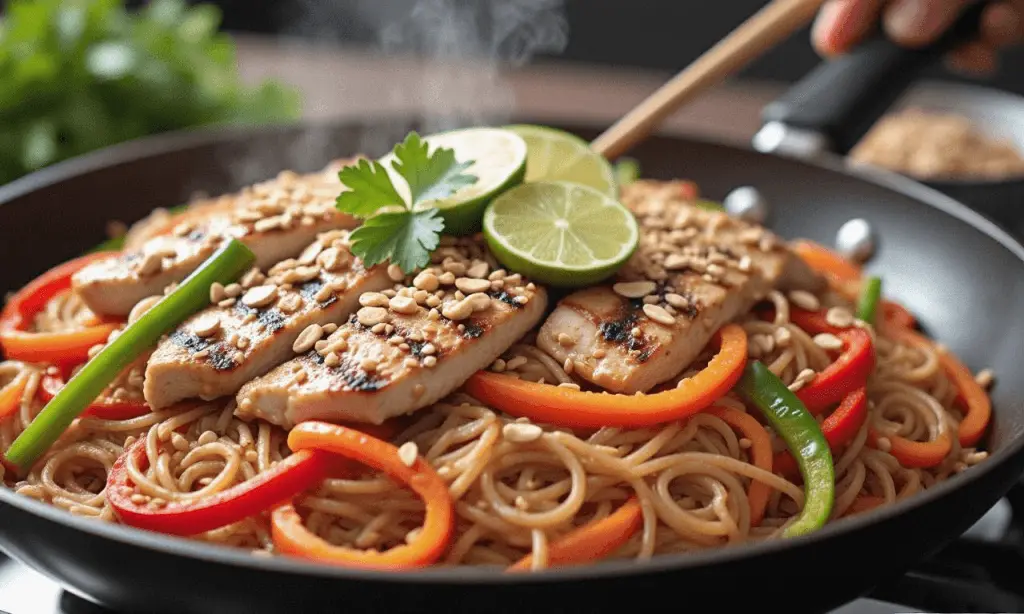
5. Satay (Grilled Meat Skewers)
Traditional Version: Satay is a popular street food made with marinated meat (usually chicken or beef) grilled on skewers and served with a peanut dipping sauce.
Healthy Version:
Meat: Use lean cuts of chicken or beef and trim any visible fat before marinating.
Marinade: Use a marinade made with fresh herbs, garlic, ginger, and a small amount of low-sodium soy sauce. Avoid using excessive sugar or oil in the marinade.
Cooking Method: Grill the skewers instead of frying them to reduce fat content.
Dipping Sauce: Make a lighter peanut sauce by using natural peanut butter, low-sodium soy sauce, lime juice, and a touch of honey. Add water or coconut milk to achieve the desired consistency without adding extra calories.
Conclusion
Making healthier versions of your favorite Southeast Asian dishes is easier than you might think. By making simple swaps and adjustments, you can enjoy the bold flavors and aromatic spices of Southeast Asian cuisine while keeping your meals nutritious and balanced. Whether you’re cooking at home or dining out, these tips will help you make healthier choices without compromising on taste.
alice
|
2025.03.13


