
Exploring the Use of Essential Oils in Southeast Asian Wellness
Essential oils, derived from the aromatic compounds of plants, have been used for centuries in Southeast Asia for their therapeutic and wellness benefits. These natural extracts are deeply rooted in the region’s traditional medicine systems, cultural practices, and daily routines. From aromatherapy to skincare and spiritual rituals, essential oils play a vital role in promoting physical, mental, and emotional well-being. This article explores the use of essential oils in Southeast Asian wellness, highlighting their cultural significance, health benefits, and modern applications.
Historical and Cultural Significance
The use of essential oils in Southeast Asia is closely tied to the region’s rich biodiversity and traditional healing practices. Indigenous communities have long relied on the medicinal properties of plants, and essential oils are a concentrated form of these natural remedies.
Traditional Medicine Systems
Ayurveda: In countries like Indonesia and Malaysia, Ayurvedic practices incorporate essential oils for their balancing and healing properties.
Traditional Chinese Medicine (TCM): Essential oils are used to regulate Qi (energy flow) and treat various ailments.
Indigenous Practices: Local communities use essential oils in rituals, massage therapies, and herbal remedies.
Spiritual and Ritual Use
Essential oils are often used in spiritual and religious practices to purify spaces, enhance meditation, and connect with nature. For example:
Incense and Offerings: Essential oils like sandalwood and frankincense are burned as incense in temples and during ceremonies.
Blessings and Cleansing: Oils like lemongrass and patchouli are used in cleansing rituals to ward off negative energy.
Common Essential Oils and Their Benefits
Southeast Asia is home to a wide variety of plants used to produce essential oils. Here are some of the most popular oils and their wellness benefits:
1. Lemongrass Oil
Source: Extracted from the leaves of the lemongrass plant.
Benefits: Reduces stress, relieves muscle pain, and acts as a natural insect repellent.
Uses: Added to massage oils, diffusers, and skincare products.
2. Patchouli Oil
Source: Derived from the leaves of the patchouli plant.
Benefits: Promotes relaxation, improves skin health, and enhances emotional balance.
Uses: Used in aromatherapy, perfumes, and skincare.
3. Sandalwood Oil
Source: Extracted from the wood of the sandalwood tree.
Benefits: Calms the mind, enhances meditation, and soothes skin irritation.
Uses: Burned as incense, added to skincare, and used in spiritual rituals.
4. Ylang-Ylang Oil
Source: Derived from the flowers of the ylang-ylang tree.
Benefits: Reduces anxiety, boosts mood, and promotes healthy hair.
Uses: Added to bathwater, diffusers, and hair treatments.
5. Clove Oil
Source: Extracted from the buds of the clove plant.
Benefits: Relieves toothache, reduces inflammation, and fights infections.
Uses: Applied topically for pain relief and added to oral care products.
6. Eucalyptus Oil
Source: Derived from the leaves of the eucalyptus tree.
Benefits: Clears respiratory congestion, boosts immunity, and repels insects.
Uses: Used in steam inhalation, diffusers, and insect repellents.
Applications of Essential Oils in Wellness
Essential oils are used in a variety of ways to promote wellness in Southeast Asia. Here are some common applications:
1. Aromatherapy
Usage: Essential oils are diffused or inhaled to promote relaxation, reduce stress, and improve mood.
Examples: Lavender oil for relaxation, peppermint oil for energy, and ylang-ylang oil for emotional balance.
2. Massage Therapy
Usage: Essential oils are diluted with carrier oils and used in traditional massage techniques like Thai massage and Jamu massage.
Benefits: Relieves muscle tension, improves circulation, and promotes relaxation.
3. Skincare
Usage: Essential oils are added to creams, lotions, and serums for their healing and rejuvenating properties.
Examples: Tea tree oil for acne, rose oil for hydration, and frankincense oil for anti-aging.
4. Natural Remedies
Usage: Essential oils are used to treat common ailments like headaches, colds, and digestive issues.
Examples: Peppermint oil for headaches, eucalyptus oil for colds, and ginger oil for digestion.
5. Spiritual and Ritual Use
Usage: Essential oils are used in meditation, prayer, and cleansing rituals.
Examples: Sandalwood oil for meditation, sage oil for cleansing, and myrrh oil for spiritual grounding.
Modern Adaptations and Trends
The use of essential oils has evolved with modern wellness trends, making them more accessible and versatile. Here are some ways essential oils are being used today: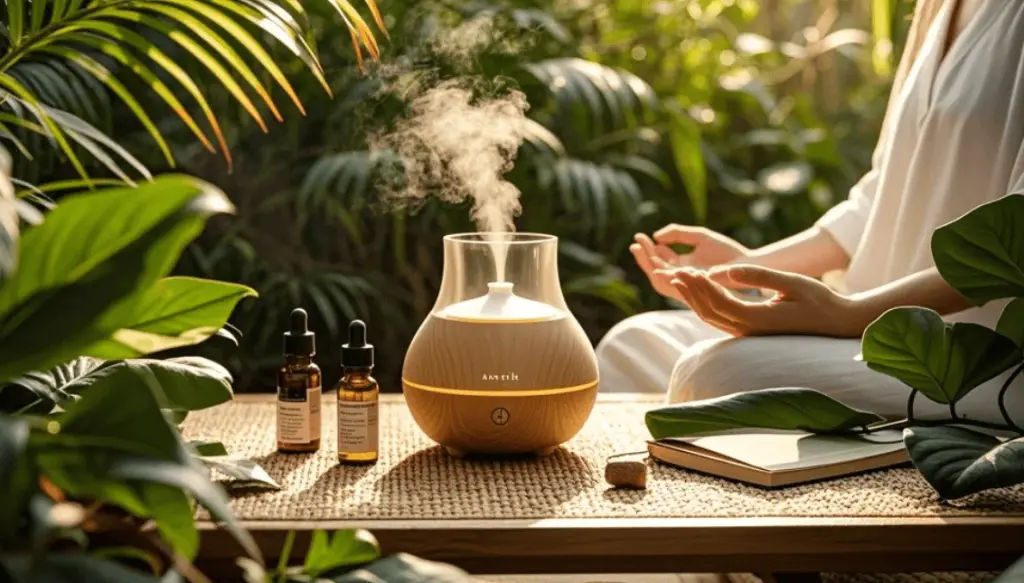
1. Wellness Tourism
Spa Treatments: Luxury spas in Southeast Asia offer treatments like aromatherapy massages and facials using essential oils.
Retreats: Wellness retreats incorporate essential oils into yoga, meditation, and detox programs.
2. DIY Wellness Products
Home Recipes: Many people create their own skincare, cleaning, and aromatherapy products using essential oils.
Online Communities: Social media platforms and blogs share recipes and tips for using essential oils.
3. Sustainable Practices
Eco-Friendly Brands: Companies are producing essential oils using sustainable and ethical practices.
Local Sourcing: Supporting local farmers and communities by sourcing oils from indigenous plants.
4. Scientific Research
Clinical Studies: Researchers are studying the efficacy of essential oils for conditions like anxiety, insomnia, and chronic pain.
Innovation: New extraction methods and formulations are being developed to enhance the benefits of essential oils.
Tips for Using Essential Oils Safely
While essential oils are natural, they should be used with care to avoid adverse effects. Here are some safety tips:
Dilute Properly: Always dilute essential oils with a carrier oil before applying to the skin.
Patch Test: Test a small amount of diluted oil on your skin to check for allergies or irritation.
Follow Guidelines: Use oils as directed and avoid overuse.
Consult a Professional: Seek advice from a healthcare provider or aromatherapist if you have health concerns.
Conclusion
Essential oils are a cornerstone of Southeast Asian wellness, offering a natural and holistic approach to health and well-being. From their historical and cultural significance to their modern applications, these aromatic extracts continue to play a vital role in promoting physical, mental, and emotional balance. By incorporating essential oils into your daily routine, you can experience the transformative benefits of these ancient remedies. Embrace the wisdom of Southeast Asian traditions and explore the power of essential oils for a healthier, more harmonious life.


