Sticky rice, also known as glutinous rice, is a staple in many Southeast Asian countries, including Thailand, Laos, and Vietnam. Despite its name, sticky rice contains no gluten and is a versatile ingredient used in both savory and sweet dishes. Its unique texture and flavor have made it a beloved component of the region’s cuisine. But what about its nutritional value? Let’s take a closer look.
1. High in Carbohydrates
Sticky rice is an excellent source of carbohydrates, making it a great energy source. Carbohydrates are the body’s primary fuel, and consuming sticky rice can provide sustained energy, especially for those with active lifestyles.
2. Low in Fat
Sticky rice is naturally low in fat, making it a healthy base for meals. When paired with lean proteins and vegetables, it can be part of a balanced diet.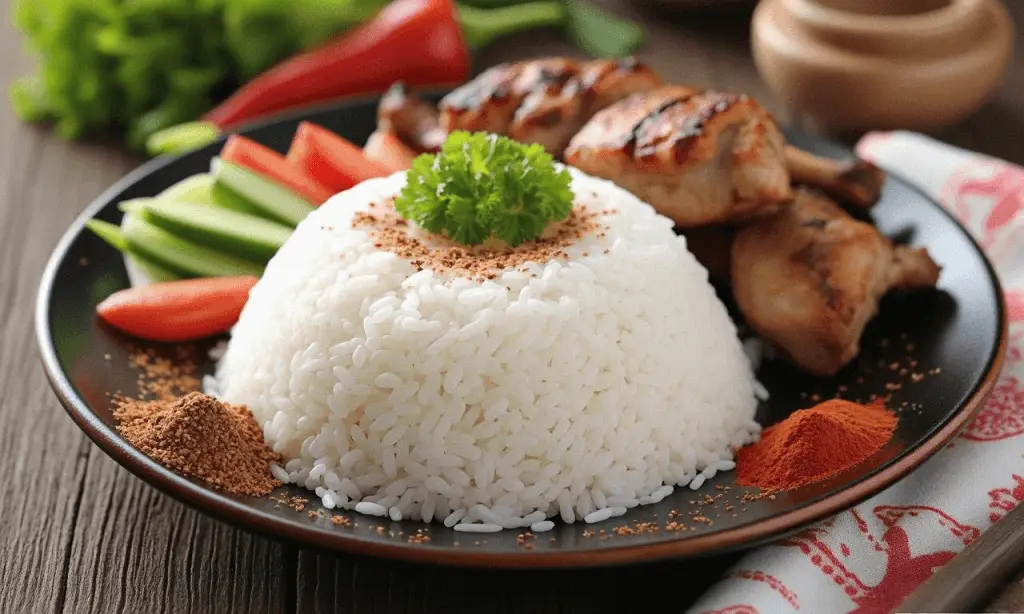
3. Gluten-Free
Despite its sticky texture, sticky rice is naturally gluten-free, making it a safe option for those with celiac disease or gluten intolerance.
4. Rich in B Vitamins
Sticky rice provides essential B vitamins like thiamine (B1) and niacin (B3), which play a crucial role in energy metabolism. These vitamins help convert food into energy and support overall health.
5. Source of Minerals
Sticky rice contains small amounts of important minerals like iron, zinc, and magnesium. Iron is essential for oxygen transport in the blood, zinc supports immune function, and magnesium is important for muscle and nerve function.
6. Low in Protein
While sticky rice is not a significant source of protein, it can be paired with protein-rich foods like fish, chicken, or tofu to create a balanced meal.
7. High Glycemic Index
Sticky rice has a high glycemic index (GI), meaning it can cause a rapid spike in blood sugar levels. For individuals managing diabetes or blood sugar levels, it’s important to consume sticky rice in moderation and pair it with fiber-rich foods to slow down digestion.
8. Versatile Ingredient
Sticky rice is incredibly versatile and is used in a variety of dishes across Southeast Asia. In Laos, it’s a staple served with grilled meats and vegetables. In Thailand, it’s used in desserts like mango sticky rice. Its ability to absorb flavors makes it a favorite in both savory and sweet recipes.
9. Cultural Significance
Sticky rice holds cultural significance in many Southeast Asian countries. In Laos, it’s a symbol of national identity and is often served during festivals and ceremonies. In Thailand, it’s a key component of traditional desserts and street food.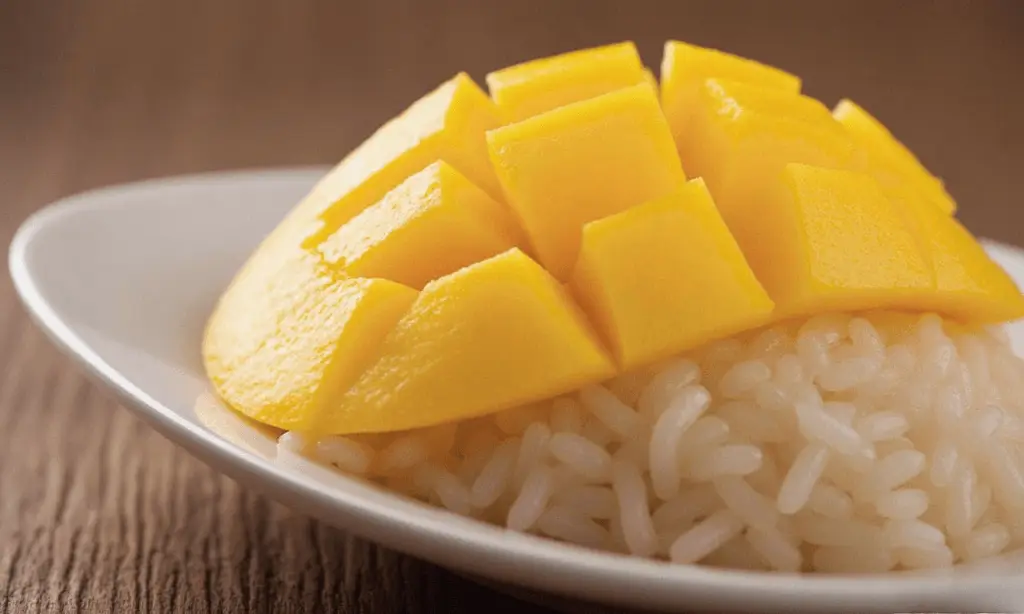
10. Easy to Digest
The soft, sticky texture of this rice makes it easy to digest, making it suitable for all ages, including young children and the elderly.
While sticky rice is a delicious and versatile ingredient, it’s important to enjoy it as part of a balanced diet. Pair it with plenty of vegetables, lean proteins, and healthy fats to create nutritious and satisfying meals.
alice
|
2025.03.13


